
Moving to Las Vegas: Your Definitive Local Relocation Guide & Checklist
Moving to Las Vegas: Your Definitive Local Relocation Guide & Checklist
Quick Answer
Moving to Las Vegas is a big decision, and it’s about far more than just the Strip. While the city offers a vibrant entertainment scene and a relatively low cost of living compared to other major metros, understanding the nuances of its diverse neighborhoods, unique job market, and desert climate is crucial. You'll find everything from bustling urban centers to quiet, master-planned communities, each with its own character and amenities. The key to a successful move here is thorough research into areas that align with your lifestyle, whether you're a young professional, a family with kids, or looking for a peaceful retirement.
This comprehensive guide is designed to cut through the noise, providing you with honest, insider information directly from locals. We'll walk you through the real estate landscape, the ins and outs of daily life, and the often-overlooked aspects of living in Southern Nevada. Our goal is to equip you with the knowledge needed to make an informed decision, ensuring your transition to Las Vegas is as smooth and stress-free as possible. From understanding the job market beyond hospitality to finding the perfect school district, consider this your essential roadmap.
Who This Is For
If you're looking for honest, no-nonsense advice about relocating to Las Vegas, you've come to the right place. This guide is specifically crafted for:
- Families: Wondering about school districts, family-friendly neighborhoods, and activities beyond the casinos? We'll help you find areas with great parks, community centers, and a strong sense of belonging.
- Retirees: Seeking a vibrant, active retirement community with good healthcare access and plenty of social opportunities? We'll point you toward the best 55+ communities and areas known for their tranquility and amenities.
- Young Professionals: Curious about the job market outside of hospitality, affordable housing options, and where to network and socialize? We cover the expanding tech, healthcare, and logistics sectors, alongside areas with a lively social scene.
- Luxury Buyers: Interested in exclusive guard-gated communities, custom homes with Strip views, and top-tier amenities? We'll guide you through areas like Summerlin, Henderson’s MacDonald Highlands, and The Ridges.
- First-Time Buyers: Trying to navigate a competitive market, understand property taxes, and find an entry-level home without sacrificing safety or convenience? We'll highlight up-and-coming neighborhoods and explain the local buying process.
Introduction: Why This Topic Matters for Someone Moving to or Buying in Las Vegas
Las Vegas. The name conjures images of bright lights, world-class entertainment, and a 24/7 party. But for those considering a move or a property purchase here, the reality is far more complex and, frankly, more interesting. Living in Las Vegas is not the same as visiting. It's a city of contrasts: a global entertainment hub nestled in the Mojave Desert, a place where multi-million dollar homes sit minutes from bustling suburban sprawl, and where a thriving local community exists independently of the tourist core. Understanding these layers is paramount before you pack your bags or sign on the dotted line.
This isn't just about finding a house; it's about finding a home in a city that truly fits your lifestyle and aspirations. Without local insight, it's easy to fall prey to common misconceptions or overlook critical details. From navigating the unique challenges of desert living to understanding the nuances of the job market beyond the Strip, and from identifying the best school districts to finding your community's vibe, a well-informed decision will save you time, money, and headaches. Our goal is to arm you with the kind of information only a seasoned local could provide, ensuring your Las Vegas relocation is a success from day one.
Deep Dive Sections
Cost of Living: The Real Numbers
Let's talk money. Las Vegas often gets a reputation for being affordable, especially compared to coastal California. And while that's generally true, "affordable" is a relative term. Housing is the biggest factor, and while you can still find good value, prices have been on the rise. Expect median home prices to be in the low to mid-$400,000s for a single-family home in a desirable suburban area like Henderson or Summerlin, though this fluctuates. Condos and townhomes can start in the high $200,000s. Rent for a decent 2-bedroom apartment typically ranges from $1,500 to $2,200, depending heavily on the neighborhood and amenities.
One major perk? Nevada has no state income tax. This is a significant advantage for many. Property taxes are also relatively low compared to other states, usually hovering around 0.6-0.8% of the home's value annually. Utilities, however, can be a mixed bag. Electricity bills skyrocket in the summer due to air conditioning, easily hitting $300-$500+ for a larger home. Water is surprisingly affordable, as conservation efforts are strong. Gas prices are generally on par with the national average, maybe slightly higher due to our distance from refineries.
Groceries, dining out, and entertainment costs are pretty standard for a major city. You can find budget-friendly options, but also world-class dining that will easily break the bank. Car insurance tends to be higher than the national average, as does the cost of car registration, so factor that in. Overall, while you can live comfortably on a moderate income, don't assume everything is cheap just because it's Vegas.
Navigating the Las Vegas Job Market
When most people think of jobs in Las Vegas, they immediately picture the hospitality industry. And yes, it's massive. Resorts, casinos, restaurants, and entertainment venues employ a huge percentage of the workforce. If you have experience in these fields, you'll likely find opportunities. However, the local economy is actively diversifying, and that's important for long-term stability and growth.
Beyond hospitality, growth sectors include healthcare (with major hospitals like Summerlin Hospital, Sunrise Hospital, and St. Rose Dominican campuses expanding), logistics and warehousing (especially around North Las Vegas due to its proximity to major highways), and a burgeoning, though still smaller, tech industry. Downtown Las Vegas, particularly the Fremont East district, has seen a revitalization driven by Zappos founder Tony Hsieh's Downtown Project, attracting startups and creative businesses. Remote work is also a growing trend, and with no state income tax, Nevada can be appealing for those who can work from anywhere.
Be aware that many hospitality jobs, while often well-paying with good benefits (especially union jobs), can involve irregular hours, including nights, weekends, and holidays. Networking is key in any industry here, so get involved in local professional groups and community events.
Finding Your Neighborhood: More Than Just The Strip
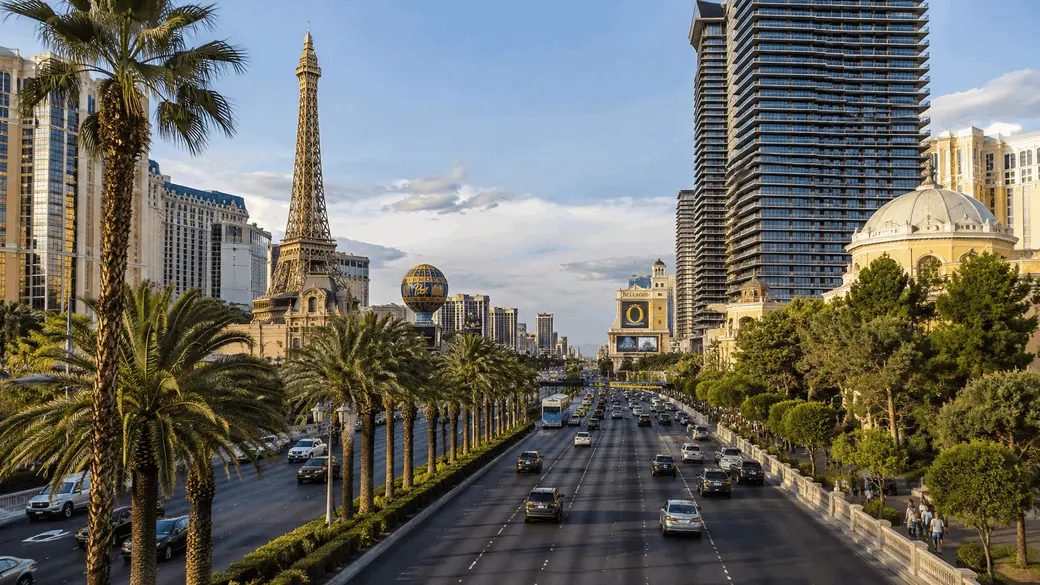
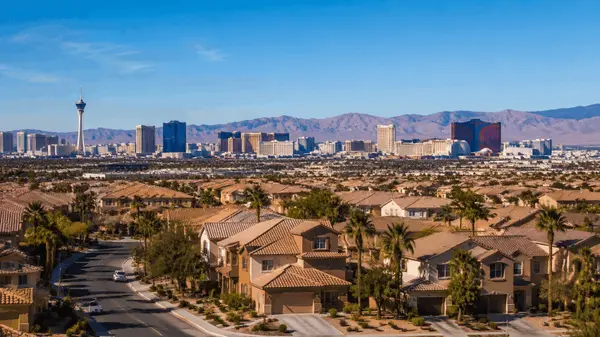
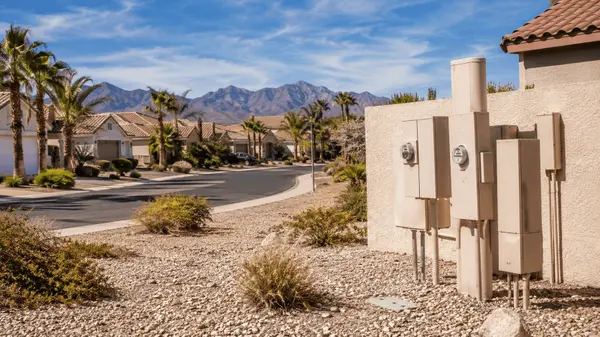
This is where local knowledge truly shines. Las Vegas is a sprawling metropolitan area, and where you choose to live will dictate your daily experience. Forget the image of 24/7 neon; most of the valley is quiet, residential, and surprisingly suburban.
- Summerlin (West Las Vegas): Consistently ranks as one of the best master-planned communities in the country. It's upscale, meticulously maintained, with top-rated schools, abundant parks, golf courses, and its own vibrant downtown area (Downtown Summerlin) offering shopping, dining, and entertainment. Great for families, retirees, and luxury buyers. Expect higher home prices.
- Henderson (Southeast Las Vegas): The second-largest city in Nevada, Henderson offers a diverse range of communities, from affordable starter homes to exclusive guard-gated enclaves like MacDonald Highlands and Anthem. Known for its excellent parks system, good schools, and generally lower crime rates. It's a fantastic option for families and those seeking a slightly quieter, more established feel. Lake Las Vegas, a picturesque resort community, is also within Henderson.
- Southwest Las Vegas: A rapidly developing area stretching from the I-15 corridor west. It offers newer construction, a mix of housing types, and is often a good compromise for those who want proximity to the Strip without living right next to it. Areas like Rhodes Ranch and Mountain's Edge are popular, offering good value and community amenities.
- Centennial Hills (Northwest Las Vegas): Another master-planned area, further removed from the Strip. It offers a more suburban, almost semi-rural feel in its furthest reaches, with larger lots and newer homes. Good for families looking for space and a quieter lifestyle, though commutes to some employment centers can be longer.
- Green Valley Ranch (Henderson): A specific, highly desirable part of Henderson known for its namesake resort, excellent schools, and established, tree-lined streets. It offers a premium suburban experience.
- Downtown Las Vegas (DTLV): For those seeking an urban, walkable, and artsy vibe. This area has seen significant revitalization, particularly around Fremont East, with loft apartments, unique restaurants, bars, and cultural venues. It's not for everyone, but it offers a distinct alternative to suburban living.
- North Las Vegas: Historically more industrial and working-class, North Las Vegas offers some of the most affordable housing in the valley. It's a large area with varying degrees of development. Newer communities are emerging, particularly as logistics and manufacturing expand there. Research specific areas thoroughly.
When choosing, consider your commute, desired school districts (Clark County School District is huge and varies widely), and proximity to amenities important to you.
The Las Vegas Climate and Outdoor Living
Let's be blunt: it gets hot. Summers are long, dry, and intensely hot, with daily temperatures often exceeding 100°F (38°C) from June through September. You'll quickly learn the importance of air conditioning, car sunshades, and staying hydrated. While it's a dry heat, it's still heat. Winters, however, are absolutely glorious: mild, sunny, with daytime temperatures in the 50s and 60s (°F), and often dipping to freezing at night. Spring and fall are beautiful, with comfortable temperatures perfect for outdoor activities.
Despite the heat, outdoor living is a huge part of the Las Vegas lifestyle. We're surrounded by stunning natural beauty. Red Rock Canyon National Conservation Area is just minutes from Summerlin, offering world-class hiking, rock climbing, and scenic drives. Lake Mead National Recreation Area, east of Henderson, provides opportunities for boating, fishing, and water sports. The Spring Mountains National Recreation Area (Mt. Charleston), about an hour's drive, offers a dramatic escape from the heat, with pine forests, hiking trails, and even skiing in winter. Locals embrace early morning or late evening outdoor activities during summer, and take full advantage of the pleasant shoulder seasons.
Transportation: Getting Around the Valley
Las Vegas is a car-centric city. Public transportation, primarily the RTC bus system, serves the Strip and some major arterial roads, but it's not comprehensive enough for most daily commutes across the sprawling valley. You'll likely need a car. Traffic can be heavy during peak hours, especially on major freeways like I-15, US-95, and the I-215 beltway. However, compared to Los Angeles or other mega-cities, it's generally manageable.
Ridesharing services (Uber/Lyft) are readily available, particularly near the Strip and airport. Parking is abundant at most local businesses and shopping centers, though you'll pay for it on the Strip. Plan your commutes carefully; a 15-mile drive could take 20 minutes or 45 minutes depending on the time of day and specific route.
Education: Schools and Higher Learning
The Clark County School District (CCSD) is the fifth-largest school district in the nation, serving the entire Las Vegas Valley. This means incredible diversity in schools, from highly-rated magnet programs and charter schools to those facing significant challenges. Researching specific school ratings and programs for the neighborhoods you're considering is absolutely essential for families. Websites like GreatSchools.org can be a good starting point, but visiting schools and talking to local parents provides the best insight.
For higher education, Las Vegas offers several options:
- University of Nevada, Las Vegas (UNLV): A comprehensive public research university, known for its hospitality management program, law school, and growing medical school.
- Nevada State University (Henderson): A rapidly growing public college offering a range of undergraduate and graduate programs.
- College of Southern Nevada (CSN): A large community college with multiple campuses, offering associate degrees, workforce training, and transfer programs.
Hidden Gems: What Locals Know That Google Maps Doesn't Show
Beyond the bright lights, Las Vegas has a soul, and it's found in these local favorites:
- The Arts District (18b): Tucked just south of Downtown, this area is a vibrant hub of art galleries, antique shops, independent boutiques, and quirky bars and restaurants. First Friday, a monthly arts festival, brings the streets to life. It's gritty, creative, and authentically Vegas.
- Springs Preserve: Often overshadowed by Red Rock, this 180-acre cultural and historical institution offers walking trails, botanical gardens, museums, and a nature center. It's a fantastic, educational escape that tells the story of Las Vegas's natural and cultural history. Great for families.
- Ethel M Chocolates Factory and Cactus Garden (Henderson): A surprisingly delightful visit. Tour the chocolate factory (with free samples!), then wander through Nevada's largest botanical cactus garden, especially magical when lit up for the holidays. It's a sweet, peaceful escape.
- Bootleg Canyon Park (Boulder City): Just outside the valley, this park offers world-class mountain biking trails and even a zipline experience. It's a rugged, scenic adventure for those who love the outdoors, far from the city bustle.
- Mount Charleston Lodge (Mt. Charleston): An hour's drive up to the Spring Mountains takes you to a rustic lodge with a restaurant, offering stunning mountain views and a much-needed temperature drop. It's a perfect day trip for hiking, picnicking, or just enjoying the pine-scented air.
- Local Farmers Markets: While not a single location, knowing where and when to find the best local produce is key. Popular ones include the Downtown Summerlin Farmers Market (Saturdays), Bruce Trent Park Farmers Market (Wednesdays), and the Henderson Pavilion Farmers Market (Thursdays).
Common Mistakes: What Newcomers or Visitors Get Wrong
- Underestimating the Heat: Seriously, it's not just "warm." It's intense. Dehydration is a real risk, and you'll rethink black cars and asphalt driveways. Always carry water.
- Thinking the Strip is "Vegas": The Strip is a tourist attraction, not where most locals spend their time. Living here means discovering the diverse communities, local restaurants, and outdoor activities away from the neon.
- Ignoring the Wind: Las Vegas can be incredibly windy, especially in the spring. Dust storms (haboobs) are a thing, and outdoor furniture can become projectiles if not secured.
- Not Researching School Districts: As CCSD is so large, school quality varies dramatically by zone. Relying solely on a neighborhood's general reputation without checking specific school ratings is a big mistake for families.
- Driving Everywhere During Rush Hour: While less congested than other major cities, traffic can still be frustrating. Learn the alternate routes and avoid main arteries like the 215 or 95 between 7-9 AM and 4-6 PM whenever possible.
- Forgetting About Car Maintenance: The extreme heat takes a toll on vehicles. Regular oil changes, tire checks, and battery inspections are crucial. Your car's AC will be working overtime!
- Assuming All Desert is the Same: While it's a desert, there's a huge difference between the flat, scrubby areas and the stunning beauty of Red Rock or Mt. Charleston. Embrace the natural landscape, but respect its power.
- Not Budgeting for Entertainment: Even if you're not gambling, there's always something to do, and it can add up. Dining out, shows, concerts, and local events can quickly eat into your budget if you're not careful.
Frequently Asked Questions
Is Las Vegas a good place to raise a family?
Absolutely, for many families. While the city has its entertainment core, the vast majority of the Las Vegas Valley consists of family-friendly suburban communities like Summerlin, Henderson, and parts of Centennial Hills. These areas boast excellent parks, community centers, youth sports leagues, and a wide array of activities. The key is to research specific neighborhoods and their associated school zones within the Clark County School District, as quality can vary significantly.
What's the job market like outside of hospitality?
While hospitality remains a dominant force, Las Vegas is actively diversifying. Key growth sectors include healthcare (with major hospital systems expanding), logistics and warehousing (especially in North Las Vegas due to its strategic location), and a growing, though still smaller, tech and startup scene, particularly in Downtown Las Vegas. Remote work opportunities are also attractive due to Nevada's lack of state income tax.
How bad is the summer heat, really?
It's intense. Expect daily temperatures consistently over 100°F (38°C) from June through September, often reaching 110°F (43°C) or higher. It's a dry heat, which some find more tolerable than humidity, but it still requires significant adjustments: staying hydrated, avoiding midday outdoor activities, and relying heavily on air conditioning. On the flip side, winters are mild and sunny, and spring/fall are beautiful.
What are the property taxes like in Las Vegas?
Nevada has relatively low property taxes compared to many other states. You can generally expect to pay around 0.6-0.8% of your home's assessed value annually. For example, a home valued at $400,000 might have property taxes in the range of $2,400-$3,200 per year. This is a significant advantage for homeowners.
Do I need a car to live in Las Vegas?
For most residents, yes, a car is essential. Las Vegas is a sprawling, car-centric city. While there is an RTC bus system, it's not comprehensive enough for daily commutes for the majority of residents, especially if you live in the suburbs and work outside of the Strip or Downtown core. Ridesharing is readily available, but not practical for everyday transportation.
What's the best neighborhood for someone looking for a quiet, suburban lifestyle?
For a quiet, suburban lifestyle, look to master-planned communities like Summerlin (west side) or Henderson (southeast side). Both offer excellent amenities, parks, good schools, and a strong sense of community. Within Henderson, areas like Green Valley Ranch, Anthem, and Seven Hills are particularly well-regarded for their peaceful, established feel.
Is water conservation a big issue in Las Vegas?
Yes, water conservation is a critical and ongoing effort in Las Vegas due to its desert environment and reliance on the Colorado River. Residents are educated on water-efficient landscaping (xeriscaping), and there are strict rules and incentives for removing grass lawns. While water is readily available, responsible usage is a community expectation and a necessity for long-term sustainability.
Conclusion
Moving to Las Vegas is an exciting prospect, offering a unique blend of urban vibrancy, natural beauty, and a surprisingly strong sense of community. It's a city of opportunity for those willing to look beyond the neon and understand its true character. By focusing on the right neighborhoods, understanding the local job market, and embracing the distinct desert lifestyle, you can easily find your place here.
We hope this definitive guide has provided you with the confidence and knowledge to take the next steps in your relocation journey. Remember, Las Vegas is more than just a destination; it's a dynamic place to call home. If you're ready to make the move or explore your real estate options, our team at All-in-One Business App is here to help. We connect you with trusted local real estate agents, moving services, and all the resources you need for a seamless transition. Let us be your first call for a truly "all-in-one" solution to your Las Vegas relocation needs.
Categories
Recent Posts

GET MORE INFORMATION

REALTOR® Lic# S.0184988