
Investing in Las Vegas Real Estate: Areas to Consider for Long-Term Rental Growth
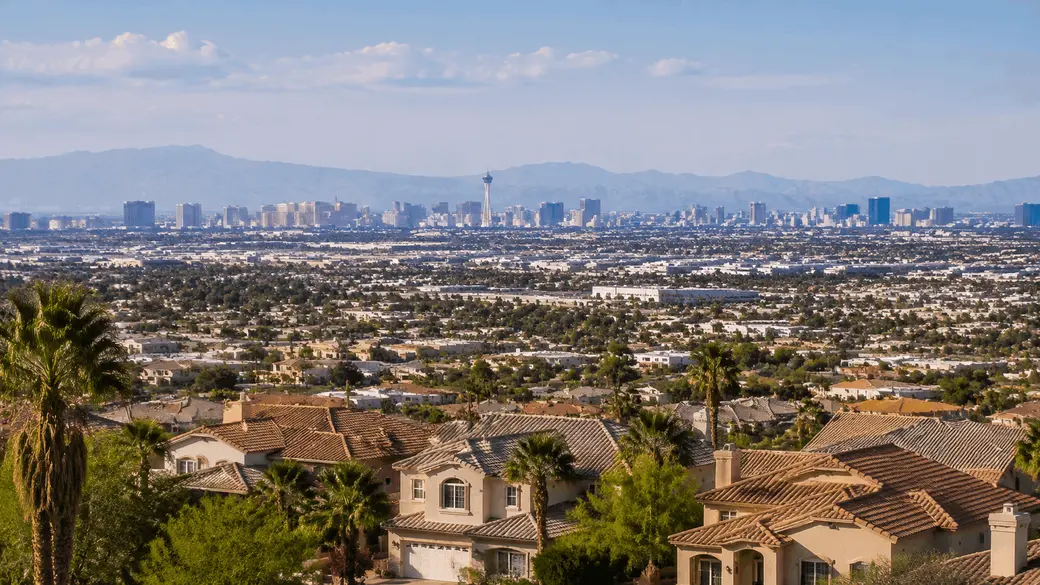
Investing in Las Vegas Real Estate: Areas to Consider for Long-Term Rental Growth
Quick Answer
For long-term rental investment in the Las Vegas Valley, I generally look for properties in areas with sustained housing demand, convenient access to employment and transportation, established or expanding amenities, and housing that appeals to a broad pool of long-term renters.
That can include parts of Henderson such as Green Valley Ranch, Anthem, Inspirada, and Cadence; established and newer areas of Summerlin; communities such as Aliante and Tule Springs in North Las Vegas; and select neighborhoods in northwest and central Las Vegas.
There is no single neighborhood that is automatically the "best" investment. Purchase price, rent potential, HOA costs, property condition, financing, vacancy, maintenance, and your investment timeline can matter just as much as the neighborhood itself.
Who This Is For
This guide may be useful if you are:
- A long-term buy-and-hold investor looking for rental income and potential property appreciation.
- An out-of-state investor trying to understand the Las Vegas market beyond the Strip.
- A California investor considering Las Vegas because of the differences in purchase prices, property taxes, and rental opportunities.
- Someone relocating to Las Vegas who may eventually want to purchase an investment property.
- An investor comparing different areas of Las Vegas, Henderson, and North Las Vegas.
Why Long-Term Rental Fundamentals Matter in Las Vegas
Las Vegas may be known internationally for tourism and entertainment, but the Las Vegas Valley is also home to more than two million residents and continues to add population, housing, businesses, and infrastructure.
According to U.S. Census Bureau population estimates, Clark County grew from approximately 2.27 million residents in 2020 to roughly 2.41 million residents in 2025.
For a long-term investor, that is more important than what is happening on the Strip on any particular weekend.
You are investing in where people actually live, work, commute, shop, attend school, raise families, retire, and spend their everyday lives.
Areas with continued residential demand, access to employment, transportation, shopping, parks, and community amenities may provide a stronger foundation for long-term rental demand and property values.
That does not mean every property in a popular neighborhood will be a good investment. The numbers still have to make sense.
Areas to Consider for Long-Term Rental Investment
1. Henderson: Established Demand and Continued Development
Henderson has become one of the largest cities in Nevada and includes both established neighborhoods and large areas of newer development.
For investors, the appeal is usually not one individual community. It is the combination of housing, employment, parks, retail, freeway access, recreation, and continued development throughout the city.
- Green Valley Ranch: Green Valley Ranch is an established master-planned area with mature neighborhoods, shopping, restaurants, parks, and convenient access to several parts of Henderson and Las Vegas. The variety of housing and established amenities can make it worth evaluating for long-term rentals.
- Anthem: Anthem is located in southern Henderson and includes several distinct neighborhoods, including Anthem Highlands and Sun City Anthem. Homes in the area often have higher purchase prices, so investors should pay close attention to the relationship between acquisition cost and achievable rent.
- Inspirada: Inspirada is a newer master-planned community in southern Henderson with parks, newer housing, trails, and continued residential and commercial development. Investors interested in newer construction may want to compare Inspirada with nearby resale communities and new-home developments.
- Cadence: Cadence is a large master-planned community in east Henderson that continues to develop. It includes parks, trails, newer homes, and expanding commercial amenities. Purchase prices may provide a different entry point than some areas of western and southern Henderson.
What to watch in Henderson: Purchase prices in many Henderson communities can be higher than elsewhere in the valley. HOA fees, rental restrictions, property taxes, insurance, and achievable rent should all be included in your investment analysis.
2. Summerlin: Established Amenities and Continued Expansion
Summerlin is one of the largest master-planned communities in the Las Vegas Valley and covers a large portion of the western side of Las Vegas.
Because Summerlin is so large, investors should avoid treating it as one single market. Purchase prices, rent levels, housing age, HOA costs, and tenant demand can vary substantially between villages.
- The Arbors, The Trails, and The Gardens: These are established Summerlin villages with mature landscaping, parks, shopping, and access to surrounding amenities. Older resale properties may sometimes offer a different price-to-rent relationship than newer construction.
- Summerlin West: Much of Summerlin's current residential growth is occurring farther west. New communities continue to be developed as roads, retail, and other services expand into the area.
- Summerlin South: Summerlin South includes several established and newer communities near the southern portion of the master plan. Investors should compare purchase prices and HOA costs carefully because newer or higher-end properties do not always produce stronger rental returns.
What to watch in Summerlin: Higher acquisition prices and HOA costs can make cash flow more challenging. A desirable neighborhood does not automatically make a property a good rental investment.
3. North Las Vegas: Lower Entry Points and Major Economic Development
North Las Vegas has experienced substantial residential, industrial, and commercial development over the past several years.
One of the area's biggest long-term economic stories is the development around the I-15 corridor and Apex Industrial Park. The City of North Las Vegas reports tens of millions of square feet of industrial development that is completed, under construction, or planned at Apex.
Continued job creation and infrastructure investment could support additional housing demand over time, although investors should evaluate each property individually.
- Aliante: Aliante is an established master-planned community in northern North Las Vegas. It includes parks, trails, retail, residential neighborhoods, and golf-related amenities. It may offer a different price point than comparable homes in parts of Henderson or Summerlin.
- Villages at Tule Springs: The Tule Springs area of North Las Vegas has experienced significant new residential development. Investors interested in newer homes should compare builder pricing, resale inventory, HOA costs, incentives, rents, and expected maintenance costs.
- Valley Vista: Valley Vista is another newer master-planned area in North Las Vegas with parks, residential development, and nearby commercial growth. Like other newer communities, purchase price and rental competition should be evaluated carefully.
What to watch in North Las Vegas: North Las Vegas covers a very large geographic area. Investment performance can vary considerably between neighborhoods, subdivisions, property ages, and price ranges. It is important to analyze the specific property rather than making a decision based on the city name alone.
4. Northwest Las Vegas: Skye Canyon and Surrounding Growth
Skye Canyon is sometimes grouped into discussions about northern Las Vegas, but it is important to clarify that Skye Canyon is located in northwest Las Vegas, not North Las Vegas.
The master-planned community is located near US-95 and provides access to newer housing, parks, trails, and continued residential development in the northwest valley.
The larger northwest Las Vegas area continues to expand, making it worth watching for investors interested in newer homes and suburban rental properties.
What to watch: New construction can create competition between landlords, particularly when multiple similar properties become rentals at the same time. Compare actual leased properties rather than relying only on active rental listings.
5. Central and Southwest Las Vegas: Established Neighborhoods Worth Evaluating
Not every long-term investment needs to be in a newer master-planned community.
Older and more centrally located areas can sometimes provide a better relationship between purchase price and rent, although maintenance and property condition become increasingly important.
- The Lakes: The Lakes is an established master-planned community on the west side of the valley. It includes a mixture of housing types and is located near Summerlin, Desert Shores, and major west-side commercial areas.
- Spring Valley: Spring Valley is a large unincorporated area southwest and west of the Strip. Its central location provides access to major employment areas, shopping, restaurants, and freeways. Because Spring Valley contains many different subdivisions and property types, it should be analyzed at the neighborhood and property level rather than as one market.
What to watch in established neighborhoods: Older homes may require additional budgeting for HVAC systems, roofs, plumbing, electrical components, windows, pools, and other major systems. A lower purchase price does not necessarily mean a better investment.
Potential Opportunities Investors Sometimes Overlook
Some of the most interesting investment opportunities are not necessarily in the newest or most recognizable communities.
- Older sections of established master plans: Older homes within established communities may sometimes sell for less than nearby new construction while still benefiting from mature landscaping, established roads, shopping, parks, and other amenities.
- Areas near major redevelopment: Neighborhoods near employment centers, medical facilities, transportation improvements, universities, or redevelopment projects may be worth monitoring. The investment still needs to work based on today's numbers rather than depending entirely on future redevelopment.
- Specific subdivisions within larger neighborhoods: Two properties located only a few blocks apart can perform very differently depending on the subdivision, HOA, condition, parking, lot size, floor plan, and surrounding properties.
- Properties with features renters value: Single-story layouts, usable yards, garages, additional bedrooms, flexible living spaces, and other features can sometimes differentiate a rental property from competing inventory.
This is why I prefer evaluating individual properties instead of simply giving an investor a list of "good neighborhoods."
A great neighborhood can still contain a bad investment, and a less obvious neighborhood can sometimes contain a very good one.
Common Mistakes Investors Make in Las Vegas
- Assuming the entire Las Vegas Valley performs the same: Las Vegas, Henderson, and North Las Vegas are separate cities, and there are also large unincorporated areas such as Spring Valley, Enterprise, and Paradise. Even within the same city, rental demand and property values can vary substantially.
- Over-focusing on proximity to the Strip: The Strip is important to the regional economy, but a long-term renter may care more about commute time, shopping, transportation, parks, medical facilities, housing quality, and other everyday needs.
- Ignoring HOA fees and rental rules: HOA governing documents may contain rental restrictions, caps, lease requirements, or other rules. Investors should review the current governing documents and resale package before purchasing.
- Underestimating maintenance: HVAC systems, roofs, plumbing, electrical systems, pools, appliances, landscaping, and other repairs can substantially change the return on a rental property.
- Using asking rent instead of actual rental data: A property listed for $2,500 per month does not mean it will rent for $2,500. Investors should review comparable properties that actually leased whenever reliable rental data is available.
- Ignoring vacancy: Even a strong rental property can sit vacant between tenants. Vacancy assumptions should be included when calculating projected returns.
- Forgetting property management: If you plan to use professional property management, those costs need to be included from the beginning rather than added after calculating your expected return.
- Buying based only on projected appreciation: Future appreciation is never guaranteed. Ideally, an investment should make sense based on the purchase price, rental economics, expenses, and your financial goals without depending on a large future increase in value.
Frequently Asked Questions About Las Vegas Rental Investment
Q1: Is Las Vegas a good market for long-term rental investment?
It can be for the right investor and the right property. The Las Vegas Valley continues to add residents, housing, businesses, and infrastructure. However, investment performance varies significantly depending on purchase price, financing, rent, property condition, HOA costs, vacancy, maintenance, and location.
Past market performance does not guarantee future appreciation or investment returns.
Q2: Does population growth help rental property values?
Population growth can increase demand for housing when the number of households and jobs grows along with it. Clark County's population has continued to increase since 2020, which is one factor investors can consider when evaluating the long-term Las Vegas housing market.
Population growth alone does not guarantee higher rents or property values.
Q3: How do interest rates affect rental properties?
Interest rates can affect both investor purchasing power and housing affordability.
Higher mortgage rates may cause some potential buyers to remain renters longer, but they also increase financing costs for investors. Lower rates may improve investor financing but can also make purchasing a home more accessible to renters who want to become homeowners.
The important number is not simply the mortgage rate. It is whether the property's total income and expenses make sense under your financing structure.
Q4: Are single-family homes better investments than condos?
Not automatically.
Many long-term investors prefer single-family homes because they may appeal to a broad pool of renters and can sometimes have fewer HOA-related complications than condominium communities.
However, appreciation and rental performance vary by property, location, purchase price, HOA structure, rental restrictions, condition, and market cycle. A well-purchased condo can outperform a poorly purchased single-family home.
Q5: Should investors consider school information?
School assignments and publicly available school performance information may be factors some housing consumers consider when choosing where to live.
Investors should verify current school boundaries, assignments, and performance information directly through the Clark County School District and Nevada Department of Education rather than relying on marketing descriptions or third-party websites.
Q6: How do Nevada property taxes affect investors?
Nevada property taxes are generally lower than those in some higher-tax states, but investors should verify the actual taxes for the individual property rather than relying on statewide comparisons.
Insurance, HOA fees, maintenance, property management, utilities, assessments, and other expenses should also be included when analyzing the investment.
Q7: How important are HOA rules?
Very important.
Many Las Vegas Valley communities have homeowners associations. HOA fees affect cash flow, and the governing documents may contain rules regarding leasing, tenant registration, rental periods, parking, landscaping, or other property uses.
Review the current HOA documents before closing rather than assuming a property can be rented the way you intend to use it.
Q8: How should I evaluate a Las Vegas rental property?
I would start with the property itself rather than just the neighborhood.
Look at:
- Purchase price
- Expected market rent
- Comparable properties that actually leased
- Property taxes
- Insurance
- HOA fees
- Property management
- Expected vacancy
- Maintenance and repairs
- Age of major systems
- Financing costs
- Potential capital expenditures
- Rental restrictions
- Expected holding period
Once you know those numbers, you can compare properties and neighborhoods more objectively.
If you have a property you are considering, send me the address and I can help you look at the numbers and the surrounding market.
Making a Smart Long-Term Investment Decision in Las Vegas
There are investment opportunities throughout Las Vegas, Henderson, and North Las Vegas, but I would not choose a property simply because someone says a particular neighborhood is "hot."
Areas such as Green Valley Ranch, Anthem, Inspirada, Cadence, Summerlin, Aliante, Tule Springs, Valley Vista, Skye Canyon, Spring Valley, and other established neighborhoods each have different advantages and trade-offs.
The better question is:
Does this particular property make sense at this particular price?
That means looking at actual rents, comparable sales, HOA costs, property condition, financing, vacancy, maintenance, and the property's ability to compete with other rentals in the area.
I have experience working with both local and out-of-state investors, including buyers looking for long-term rentals and properties with renovation potential.
If you are considering an investment property in the Las Vegas Valley, send me the address. I can help you look at the property, the neighborhood, comparable sales, rental competition, and the numbers before you make a decision.
Kyle Fujimoto, Nevada Real Estate License No. S.0184988, Platinum Real Estate Professionals
Kyle Fujimoto, California DRE License No. 02230384, affiliated with Dynasty Real Estate
Equal Housing Opportunity.
Information is deemed reliable but not guaranteed and should be independently verified.
Price, availability, property details, incentives, rents, expenses, and terms are subject to change without notice.
This content is for general informational purposes only and is not legal, tax, financial, insurance, appraisal, inspection, property management, or lending advice.
Financing is subject to lender approval. Rates, payments, terms, and program availability may change. This is not a commitment to lend.
Past market performance and historical trends do not guarantee future results.
Investment figures and projections are estimates only and should be independently verified. No appreciation, rental income, occupancy, cash flow, equity, or investment return is guaranteed.
Buyers and investors should independently verify rents, expenses, repairs, property values, financing, HOA restrictions, zoning, permits, taxes, insurance, and potential property uses before making an investment decision.
Property condition statements are not a substitute for professional inspections.
Square footage, lot size, room dimensions, boundaries, and other measurements are approximate and should be independently verified.
School assignments, boundaries, and performance information should be independently verified through the Clark County School District and Nevada Department of Education.
Crime, commute, neighborhood, zoning, permit, and property-use information should be independently verified with the appropriate governmental or other authoritative source.
Not intended to solicit a buyer or seller currently under an exclusive agreement with another real estate brokerage.
```
Categories
Recent Posts


GET MORE INFORMATION

REALTOR® Lic# S.0184988