
What Are Las Vegas Utility Costs Really Like? A Local’s Guide for New Residents
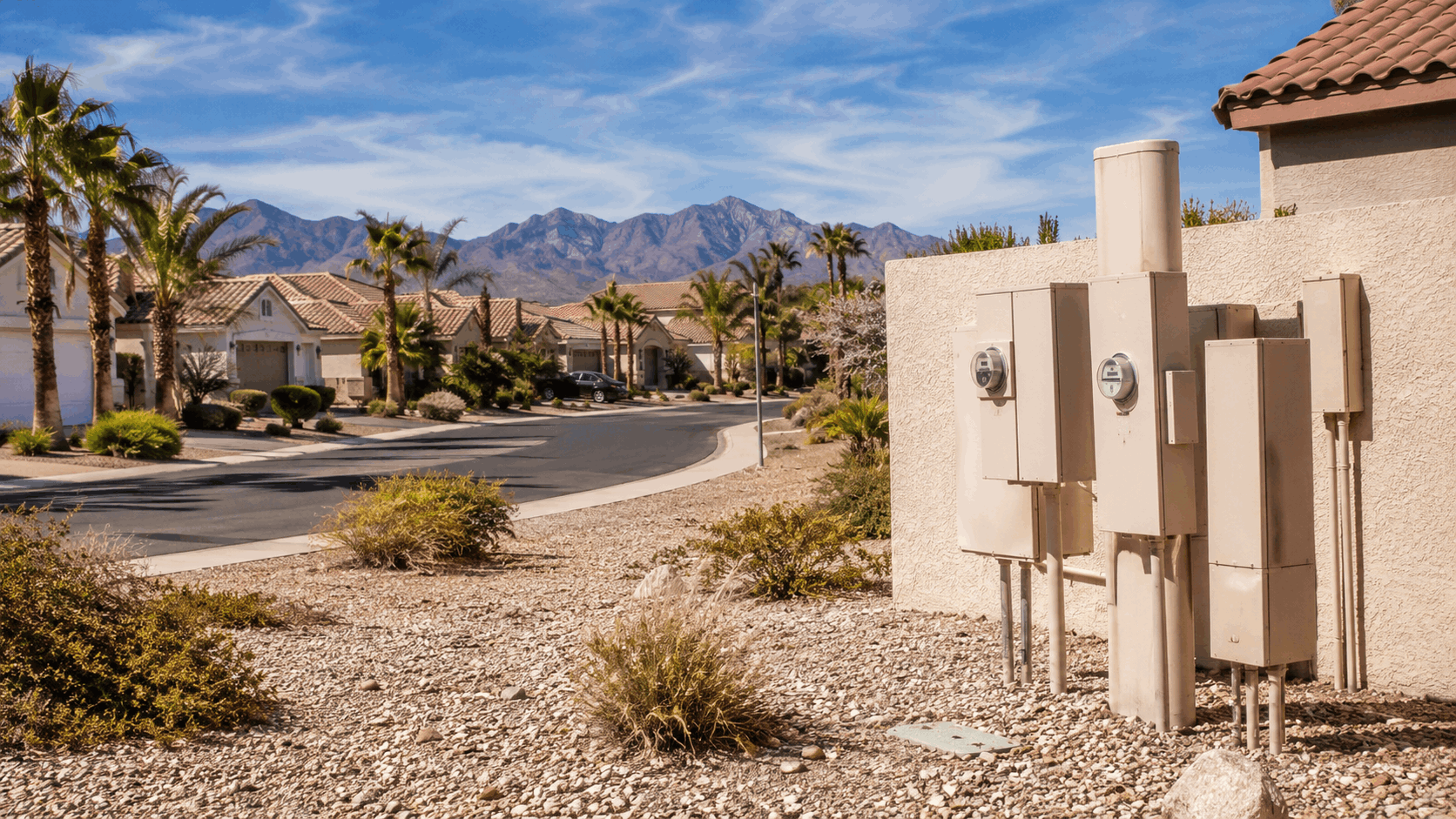
Quick Answer: Understanding Las Vegas Utility Bills
Moving to Las Vegas means adjusting to a desert climate, and that significantly impacts your utility bills, especially for electricity and water. For a typical single-family home (around 1,800-2,200 sq ft) in areas like Summerlin or Henderson, you can expect to pay anywhere from $300 to $600+ per month for combined utilities during peak summer months (July-September). This includes electricity (your biggest expense), water, sewer, trash, and natural gas (if applicable). During cooler months, these costs can drop considerably, often into the $200-$350 range.
The main drivers are air conditioning in the summer and water usage for landscaping. While electricity rates per kilowatt-hour are competitive, the sheer amount of AC needed to combat 110°F+ temperatures adds up fast. Water bills depend heavily on your landscaping choices – a desert-friendly yard will cost far less to maintain than a lush, green lawn. Natural gas is less of a factor here since heating needs are minimal compared to other parts of the country, but it still contributes to your winter bill for water heating and furnaces.
Who This Is For
If you're looking for a no-nonsense, realistic look at monthly living expenses in Las Vegas, you're in the right place. This guide is for:
- Families: Understand how larger homes and higher usage impact your budget.
- Retirees: Learn about fixed income planning and how to manage seasonal utility spikes.
- Young Professionals: Get a baseline for apartment vs. single-family home utility costs.
- Luxury Buyers: See how larger properties, pools, and extensive landscaping affect bills.
- First-Time Buyers: Prepare for the often-underestimated recurring costs of homeownership.
- California-to-Las Vegas Relocation Buyers: Compare these costs to what you're used to and identify potential savings or new expenses.
- Out-of-State Buyers: Get a clear picture of what to expect in a desert climate.
Introduction: Why Utility Costs Matter More Than You Think in Las Vegas
When you're considering a move to Las Vegas, everyone talks about the low property taxes, the lack of state income tax, and the vibrant lifestyle. What often gets overlooked until you get your first bill is the true cost of keeping a home comfortable in the desert. The heat here is no joke, and neither are the utility bills that come with it. Understanding these expenses upfront is crucial for budgeting, whether you're buying a home in Summerlin, a condo downtown, or an investment property in North Las Vegas.
I’ve helped countless clients relocate, invest, and settle in the Las Vegas Valley. I've also lived here long enough to see my own utility bills fluctuate wildly with the seasons. My goal here is to give you a practical, numbers-based breakdown of what to expect, so you can make a smart decision, not just a fast one. We'll cover electricity, water, gas, and other common expenses, with a focus on what they actually mean for your wallet.
Deep Dive: Breaking Down Las Vegas Utility Expenses
Electricity: The Summer Bill Shock
Provider: NV Energy is the primary electric utility for Southern Nevada.
The Numbers: Electricity is usually your biggest utility expense here, especially from June through September. Temperatures routinely hit 105-115°F, meaning your AC unit will be running almost constantly. For a 2,000 sq ft home, average summer bills can easily range from $250 to $450+. Some larger homes or those with older, less efficient AC units might see bills push $600-$800. In cooler months (November-April), expect bills to drop significantly, often to $80-$150, as heating needs are minimal.
Here’s what that actually means for you: Your home's insulation, window quality, and the age/efficiency of your AC unit make a huge difference. A brand-new home in Inspirada or Skye Canyon will generally be more efficient than an older home in an established neighborhood like Paradise or Desert Shores. Pool pumps also contribute to electricity usage; expect an extra $30-$70 per month just for a typical pool pump.
What to watch out for: Don't just look at the list price of a home. Ask about the average utility bills, especially during summer. This is something buyers often overlook, and you do not want to find this out after closing.
Water & Sewer: Desert Landscaping is Key
Provider: Las Vegas Valley Water District (LVVWD) and your local city (e.g., City of Henderson, City of North Las Vegas) for sewer services.
The Numbers: Water bills can vary wildly based on your landscaping. If you have a traditional grass lawn, especially a large one, your summer water bill could be $150-$300+. Many homes in older areas like Green Valley Ranch or Spring Valley might still have significant turf. However, if you opt for desert-friendly landscaping (xeriscaping), your water bill could be as low as $50-$100 per month year-round. Sewer charges are typically a flat rate or based on your winter water usage, adding another $30-$60.
Here’s what that actually means for you: Las Vegas has aggressive water conservation programs. The Southern Nevada Water Authority (SNWA) offers rebates for turf removal, which can be a smart move for both your wallet and the environment. Many master-planned communities like Summerlin and Cadence now feature water-efficient landscaping as a standard. The goal is to make a smart decision, not just a fast one, when it comes to yard maintenance.
What to watch out for: If you're looking at a home with a lush, green yard, factor in the higher water costs. A good deal on paper is not always a good deal in real life if your monthly expenses are through the roof.
Natural Gas: Less of a Factor, Still There
Provider: Southwest Gas.
The Numbers: Natural gas is mainly used for water heaters, furnaces (though rarely needed for long), and sometimes stoves or clothes dryers. Given our mild winters, gas bills are usually modest. Expect $25-$60 per month in the cooler season, dropping to a minimum service charge of $15-$25 in summer.
Here’s what that actually means for you: Unless you have a gas-heated pool (rare and expensive to run), gas isn't a major budget item. This is where having the right strategy matters; many newer homes are all-electric, eliminating this bill entirely. You need to look at the full picture when comparing properties.
Trash & Recycling: Steady and Predictable
Provider: Republic Services.
The Numbers: This is one of the most predictable utility costs. For most single-family homes, expect to pay around $25-$35 per month for weekly trash and bi-weekly recycling pickup. Condo and apartment dwellers often have this included in their HOA fees or rent.
Here’s what that actually means for you: This is a fairly standard expense across the valley, from Centennial Hills to Lake Las Vegas. No real surprises here.
Internet, Cable & Phone: Your Choice, Your Cost
Providers: Cox Communications and CenturyLink (now Lumen) are the dominant internet/cable providers. Newer fiber options like Quantum Fiber are expanding.
The Numbers: This category is entirely based on your preferences. Basic internet can start around $50-$70 per month. Bundling with cable TV can push that to $120-$200+. Many people, especially younger residents in areas like Downtown Summerlin or the Arts District, are cutting the cord and relying solely on streaming services, keeping this cost low.
Here’s what that actually means for you: High-speed internet is essential here, especially for remote work. The competition is increasing, which can sometimes lead to better deals. Make sure the deal works for your goals, whether it’s basic browsing or hardcore gaming.
Homeowners Association (HOA) Fees: A Common Extra
The Numbers: While not technically a utility, HOA fees are a recurring monthly cost for most homes in Las Vegas, especially in master-planned communities like Summerlin, Henderson (Green Valley, Anthem), and North Las Vegas (Aliante, Skye Canyon). These can range from $30-$50 per month for basic services to $150-$300+ for communities with extensive amenities like pools, gyms, and gated security. Luxury communities or high-rise condos can easily exceed $500-$1,000+ per month.
Here’s what that actually means for you: These fees cover community maintenance, landscaping of common areas, and amenities. They are a non-negotiable part of your monthly housing expense if you buy in an HOA. Don't just look at the list price; factor in these fees when calculating your total monthly housing cost. This is something sellers need to understand, as high HOA fees can impact affordability for buyers.
Hidden Gems: What Locals Know About Las Vegas Utilities
- Smart Thermostats are Your Best Friend: Seriously, install a smart thermostat like a Nest or Ecobee. They learn your habits and can significantly reduce your AC usage when you're not home. Many local power companies even offer rebates for installing them. It's a small upfront cost that pays dividends, especially in places like Southern Highlands or Rhodes Ranch where homes are a bit larger.
- NV Energy's Time-of-Use Plans: NV Energy offers different rate plans. Their "Time-of-Use" plan charges less for electricity during off-peak hours (evenings, weekends). If you can shift heavy electricity use (laundry, dishwashing) to these times, you can save money. This is where having the right strategy matters, especially for families.
- Xeriscaping Rebates: The Southern Nevada Water Authority (SNWA) offers one of the most generous turf-removal rebate programs in the country. They'll pay you per square foot to replace grass with desert-friendly landscaping. It's a fantastic way to cut your water bill and get some cash back. Many homes in older parts of Henderson or Spring Valley could benefit greatly.
- Shade is Gold: Planting deciduous trees on the west and south sides of your house can dramatically reduce summer cooling costs. They provide shade in summer and let the sun through in winter. For existing homes, consider exterior shade screens on windows. The property has potential, but potential still has a price, and sometimes that price is shade.
- AC Maintenance is Non-Negotiable: Get your AC unit serviced annually, typically in the spring. A well-maintained unit runs more efficiently and lasts longer. Neglecting it means higher bills and potentially costly repairs in the dead of summer.
Common Mistakes Newcomers Make with Las Vegas Utilities
- Underestimating Summer AC Costs: This is the biggest one. People from cooler climates often don't grasp how much AC is needed to maintain comfort when it's 115°F outside. Your central AC will work harder than you've ever seen.
- Ignoring Water-Efficient Landscaping: Many newcomers want a lush green lawn like they had elsewhere. This is a very expensive desire in the desert. The cheapest option is not always the best option if it means a huge water bill.
- Setting the Thermostat Too Low: Cranking the AC down to 68°F when it's over 100°F outside is incredibly inefficient and expensive. Aim for 76-78°F during the day and perhaps 72-74°F at night. Your body adjusts.
- Not Sealing Air Leaks: Gaps around windows, doors, and even electrical outlets can let cool air escape. A cheap caulk gun can save you hundreds over a summer. This is something buyers often overlook in older homes.
- Forgetting About Pool Costs: If a home has a pool, remember that it's not just the initial cost. There's electricity for the pump, water for evaporation, chemicals, and cleaning services. It all adds up.
Frequently Asked Questions About Las Vegas Utility Costs
Q1: How much is the average electric bill in Las Vegas during summer?
For a typical 1,800-2,200 sq ft single-family home, expect your electric bill to be in the range of $250-$450+ during the peak summer months (July-September). This can go higher for larger homes, older homes with less efficient AC units, or homes with pools. Location matters, but so do condition and pricing.
Q2: Is water expensive in Las Vegas?
It can be, depending on your usage. If you have traditional grass landscaping, especially a large yard, your summer water bill could easily be $150-$300+. However, if you have xeriscaping or minimal landscaping, you can keep your water bill much lower, often $50-$100 per month. The numbers still have to make sense for your lifestyle.
Q3: Do I need natural gas in Las Vegas?
Many homes in Las Vegas are built with natural gas for water heaters, furnaces, and sometimes stoves. However, heating needs are minimal due to our mild winters. Some newer homes are all-electric, eliminating a gas bill entirely. It all comes down to the property, the price, and the condition.
Q4: What's a typical combined utility bill for a Las Vegas home?
For a single-family home, a realistic combined average for electricity, water, sewer, trash, and gas is $300-$600+ per month during summer. In the cooler months, this often drops to $200-$350. Every property is different, and usage varies greatly.
Q5: Are HOA fees considered a utility cost?
While not a utility, HOA fees are a common and recurring monthly expense for most homes in Las Vegas and should be factored into your budget alongside utilities. They can range from $30 to several hundred dollars per month, depending on the community and its amenities. You need to look at the full picture.
Q6: How can I save money on utilities in Las Vegas?
Focus on electricity and water. Use smart thermostats, participate in NV Energy's Time-of-Use plans, take advantage of SNWA's turf removal rebates, seal air leaks, and ensure your AC unit is regularly maintained. Strategic guidance on inspections, appraisals, and negotiations can help you choose a more efficient home upfront.
Q7: Are utilities cheaper in older or newer homes in Las Vegas?
Generally, newer homes (built in the last 10-15 years) in areas like Cadence, Skye Canyon, or Summerlin tend to be more energy-efficient due to better insulation, windows, and HVAC systems, leading to lower utility bills. Older homes in areas like Paradise or Spring Valley might have lower purchase prices, but their utility costs could be higher if not updated. The market matters, but the specific property matters more.
Q8: Does having a pool significantly increase utility costs?
Yes, a pool will add to your electricity bill (for the pump) and your water bill (due to evaporation, especially in our dry heat). Expect an additional $50-$120+ per month combined for pool operation and water. Make sure the deal works for your goals, and factor in pool maintenance costs too.
Conclusion: Making an Informed Decision About Las Vegas Living
Understanding utility costs in Las Vegas isn't just about budgeting; it's about making an informed decision for your lifestyle. The desert climate presents unique challenges, primarily with electricity and water, but with the right knowledge, you can manage these expenses effectively. From optimizing your AC use to embracing xeriscaping, there are practical steps you can take to keep your bills in check.
My job is to help you understand your options and give you the good, the bad, and what to watch out for. Real estate does not have to be complicated, and I’m here to make the process easier to understand. Whether you're looking for a family home, an investment property, or relocating from California, let's look at what makes the most sense for your situation. You should know exactly what you are getting into.
Contact me for a no-pressure home-buying consultation. Send me your questions and I’ll give you a straightforward answer. Let’s figure out what makes the most sense for your situation.
Kyle Fujimoto, Nevada Real Estate License No. S.0184988, Platinum Real Estate Professionals
Kyle Fujimoto, California DRE License No. DRE 02230384, affiliated with Dynasty Real Estate
Equal Housing Opportunity.
Information is deemed reliable but not guaranteed and should be independently verified.
Price, availability, property details, incentives, and terms are subject to change without notice.
This content is for general informational purposes only and is not legal, tax, financial, insurance, appraisal, inspection, or lending advice.
Financing is subject to lender approval. Rates, payments, terms, and program availability may change.
This is not a commitment to lend.
Payment examples are estimates only and may not include taxes, insurance, mortgage insurance, HOA fees, assessments, or other costs unless specifically stated.
Seller concessions, incentives, and closing-cost credits are subject to the purchase agreement, appraisal, lender approval, and applicable loan-program limits.
Builder pricing and incentives may change and may require the use of the builder’s preferred lender, title company, or other provider.
Past market performance and historical trends do not guarantee future results.
Investment figures are estimates only and should be independently verified.
No appreciation, rental income, occupancy, cash flow, equity, or investment return is guaranteed.
Verify rents, expenses, repairs, property values, financing, zoning, permits, and potential uses before making an investment decision.
Property condition statements are based on available information and are not a substitute for professional inspections.
Square footage, lot size, room dimensions, boundaries, and other measurements are approximate and should be independently verified.
School information should be verified directly with the appropriate school district.
Crime, commute, neighborhood, zoning, permit, and property-use information should be independently verified with the appropriate source.
Brokerage compensation and fees are negotiable and subject to a written agreement.
Not intended to solicit a buyer or seller currently under an exclusive agreement with another real estate brokerage.
Categories
Recent Posts


GET MORE INFORMATION

REALTOR® Lic# S.0184988