
Is Las Vegas Affordable? A Realistic Look at the Cost of Living in Sin City
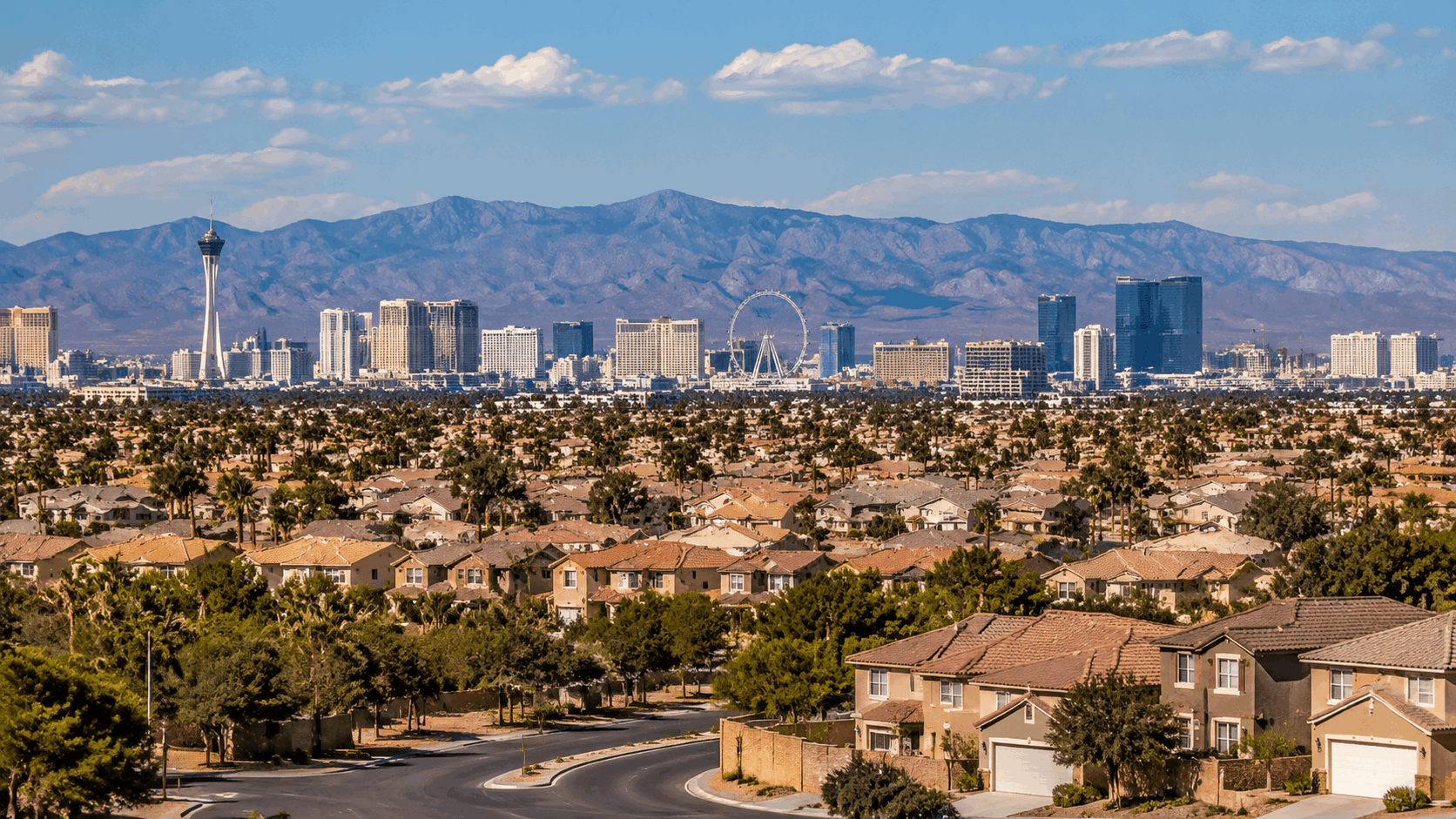
Quick Answer: Is Las Vegas Affordable?
Compared to other major metropolitan areas in California or the Northeast, Las Vegas often presents itself as an affordable alternative. However, "affordable" is a relative term, and the reality is more nuanced. While housing costs can be lower than in Los Angeles or San Francisco, they’ve risen significantly in recent years, especially post-pandemic. You'll find good value in some areas, but luxury living here can rival costs in any high-end market.
The true cost of living in Las Vegas depends heavily on your lifestyle, housing choices, and tolerance for the unique aspects of desert life. Utilities, particularly air conditioning during the long, hot summers, can be surprisingly high. Transportation is car-dependent, and while gas prices fluctuate, the mileage adds up. Factor in the allure of entertainment and dining, and it's easy for discretionary spending to inflate your monthly budget. It's not a cheap city for everyone, but for many, the trade-offs in housing and no state income tax make it an attractive option.
Who This Is For
This guide is for anyone seriously considering making Las Vegas their home. Use it as a decision tool:
- If you're a family looking for good schools and community: We'll break down family-friendly neighborhoods like Summerlin or Henderson, their associated costs, and what you get for your money.
- If you're a retiree seeking an active lifestyle: We'll explore age-restricted communities, healthcare considerations, and how to enjoy the city without breaking the bank.
- If you're a young professional seeking career opportunities and entertainment: We'll cover urban living options, commute times to employment hubs, and the balance between work and play.
- If you're a luxury buyer looking for exclusivity: We'll delve into high-end enclaves like MacDonald Highlands or The Ridges, detailing premium costs and unparalleled amenities.
- If you're a first-time homebuyer on a budget: We'll point to areas where value can still be found, discuss entry-level pricing, and common financial considerations.
Introduction: Why This Topic Matters for Someone Moving to or Buying in Las Vegas
Moving to a new city is one of life's biggest decisions, and for Las Vegas, understanding the true cost of living is paramount. What you see on vacation – the glitz, the glamour, the seemingly endless entertainment – doesn't always translate to the day-to-day reality of living here. Many people arrive with preconceived notions, often shaped by media or a short visit, and are surprised by the actual expenses involved. From the scorching summer utility bills to the sometimes-hidden costs of a car-centric lifestyle, the financial landscape of Las Vegas is unique.
This isn't just about comparing rent prices; it's about understanding the entire ecosystem of expenses that will impact your quality of life. Is the cost of living balanced by higher wages in your industry? Does the lack of a state income tax truly offset other expenses? Can you afford the lifestyle you envision? As a local, I've seen countless individuals and families make the move, and the most successful transitions are those built on a solid understanding of what it actually takes to live comfortably and thrive in our dynamic city. Let's dig into the details.
Deep Dive: Comprehensive Coverage of Las Vegas Living Costs
Housing Costs: The Biggest Piece of the Pie
Housing is almost always your largest monthly expense, and Las Vegas is no exception. While historically more affordable than coastal California, prices have surged in recent years. The median home price for a single-family home in the Las Vegas Valley (as of late 2025/early 2026) hovers around $480,000, but this figure is heavily skewed by location and type of home.
- Starter Homes & Value Areas: If you're looking for something more budget-friendly, areas like North Las Vegas, parts of Henderson (east of US-95), or older neighborhoods in the central valley (near UNLV or the Arts District) might offer single-family homes in the $350,000-$400,000 range. Condos and townhomes, especially in older complexes, can dip below $300,000, making them viable for first-time buyers.
- Mid-Range & Family-Friendly: For families, neighborhoods in Summerlin and Henderson (west of US-95, like Green Valley or Anthem) are highly sought after for their master-planned communities, parks, and schools. Here, a typical 3-4 bedroom home will likely start in the $500,000s and can easily climb to $800,000+. You're paying for amenities, safety, and a strong sense of community.
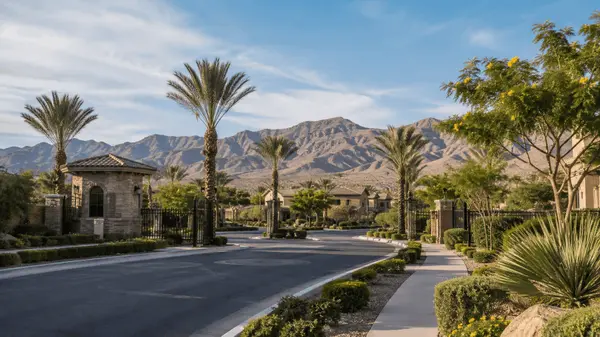
- Luxury Living: Las Vegas has a robust luxury market. Exclusive enclaves like The Ridges, MacDonald Highlands, Southern Highlands, or custom homes within Summerlin's guard-gated communities (e.g., The Mesa, The Canyons) command prices from $1 million well into the tens of millions. These areas offer sprawling estates, golf course views, and unparalleled privacy.
- Renting: Rental prices have also increased significantly. A 1-bedroom apartment in a decent area can range from $1,200-$1,800. A 3-bedroom single-family home might cost $2,000-$3,000+, depending on the neighborhood. Expect higher rents in desirable areas like Downtown Summerlin or Henderson's newer developments.
Trade-off: The further you are from the Strip or established master-planned communities, the more affordable housing tends to be. However, this often means longer commutes and fewer immediate amenities.
Utilities: The Desert's Hidden Cost
This is where many newcomers get a rude awakening. Las Vegas is in a desert, and that means serious air conditioning for at least 4-5 months of the year. Your utility bill will vary wildly between summer and winter.
- Electricity (NV Energy): In summer (June-September), expect monthly bills for a 2,000 sq ft home to range from $250-$500+, especially if you like your home cold. In winter, it might drop to $80-$150. Newer, energy-efficient homes or those with solar can significantly reduce these costs.
- Water/Sewer/Trash (Las Vegas Valley Water District/Republic Services): Water conservation is critical here, and rates reflect that. A typical family might pay $80-$150 a month. Landscaping choices (desert-friendly vs. lush grass) will have a massive impact. Trash service is usually bundled.
- Natural Gas (Southwest Gas): Used for heating, water heaters, and some cooking. Winter bills might be $40-$100, while summer bills are minimal.
- Internet/Cable: Standard rates apply, usually $70-$120 for decent internet, more if bundled with cable. Cox Communications and CenturyLink are the main providers.
Insider Tip: Invest in smart thermostats, regularly service your AC unit, and consider desert landscaping (xeriscaping) to keep water bills down. Don't underestimate summer AC costs; they're a non-negotiable part of living here.
Transportation: You'll Need a Car
Las Vegas is a sprawling city built around the automobile. Public transportation (RTC) exists, but it's not comprehensive enough for most daily commutes, especially if you live in the suburbs and work outside the immediate Strip corridor.
- Car Ownership: Budget for car payments, insurance (which can be higher than average due to traffic and tourism), gas, and maintenance. Gas prices fluctuate but are generally on par with national averages, sometimes a bit higher than inland states.
- Commute Times: Driving from Summerlin to Henderson can easily take 45 minutes to an hour during peak traffic. The "215 Beltway" (Bruce Woodbury Beltway) and I-15 are your main arteries, and they get congested. Living close to your workplace or having a flexible schedule is a huge advantage.
- Ride-Shares/Taxis: Readily available, but costs add up quickly if relied upon daily.
Trade-off: Living closer to the urban core (Downtown, Arts District) might offer more walkability and access to public transit, but often at the expense of larger homes or yards. Most residents accept the necessity of a car.
Food & Groceries: Comparable to National Averages
Grocery prices are generally on par with national averages, perhaps slightly higher due to the desert climate requiring produce to be trucked in. You'll find all the major chains: Smith's (Kroger), Albertsons, Vons, Sprouts, Whole Foods, and Trader Joe's. Farmers' markets are also gaining popularity.
- Dining Out: This is where Las Vegas can get expensive, or surprisingly affordable, depending on your choices. You can spend hundreds on a celebrity chef meal on the Strip, or find fantastic, inexpensive ethnic food in countless local restaurants off-Strip. Many locals take advantage of happy hour deals or restaurant week promotions.
- Local Favorites: Explore Chinatown (Spring Mountain Road) for incredible Asian cuisine, or head to the Arts District for unique local eateries. Don't limit yourself to the tourist traps.
Insider Tip: Many casinos offer discounted dining for locals with a player's card, especially at their buffet or casual restaurants. It's a great way to enjoy a night out without breaking the bank.
Healthcare: Quality and Cost
Las Vegas has a growing healthcare infrastructure with several major hospital systems (UMC, Sunrise, Valley Hospital, Dignity Health, Summerlin Hospital Medical Center). Costs are generally in line with national averages, but as with anywhere, can vary greatly based on your insurance plan and specific needs.
Consideration: While the quality of care is good, wait times for specialists can sometimes be longer than in more established medical hubs. It's an area that continues to expand with the city's population growth.
Entertainment & Lifestyle: Where Sin City Shines (and Spends)
This is both a major draw and a potential budget buster. The sheer volume of entertainment options is unparalleled.
- The Strip: Shows, concerts, clubs, world-class dining, and gambling. It's easy to spend a fortune. However, many shows offer local discounts, and there are plenty of free attractions (Bellagio Fountains, Fremont Street Experience light show).
- Outdoor Activities: Red Rock Canyon National Conservation Area, Lake Mead National Recreation Area, Mount Charleston, and Valley of Fire State Park offer stunning natural beauty and endless outdoor activities (hiking, biking, boating) that are relatively inexpensive. An annual pass to Red Rock is a great value.
- Local Scene: Beyond the Strip, you'll find a vibrant local arts scene in the Arts District, community events, minor league sports (Las Vegas Aviators baseball, Henderson Silver Knights hockey), and professional sports (Golden Knights hockey, Raiders football, Aces WNBA). Season tickets can be pricey, but individual game tickets are often available.
Honest Trade-off: The temptation to indulge in the city's offerings is strong. Budgeting for entertainment is crucial, or it can quickly eat into your savings. Many locals learn to enjoy the Strip in moderation or focus on the endless array of off-Strip activities.
Hidden Gems: What Locals Know That Google Maps Doesn't Show
Beyond the bright lights, Las Vegas has a soul, and locals know where to find it.
- The Arts District (18b): South of Downtown, this area has transformed into a vibrant hub of art galleries, vintage shops, unique restaurants, breweries, and distilleries. First Friday is a massive block party with local artists, food trucks, and live music. It's authentic Las Vegas.
- Spring Mountain Road (Chinatown): Don't let the name fool you, this isn't just Chinese food. It's a sprawling district with incredible Korean BBQ, Japanese ramen, Vietnamese pho, Thai cuisine, and more. It's a culinary adventure that rivals any major city's ethnic food scene, all off-Strip and at local prices.
- Lake Las Vegas: Tucked away in Henderson, this master-planned community built around a man-made lake feels like a world away from the desert. It offers paddleboarding, kayaking, golf, and charming village shops and restaurants. Great for a peaceful afternoon or evening.
- Wetlands Park: East of the city, this expansive urban wetlands preserve is an unexpected oasis. It's home to diverse wildlife, miles of walking trails, and provides a stark contrast to the surrounding desert and urban sprawl. Perfect for birdwatching or a quiet stroll.
- The Pinball Hall of Fame: Near the University of Nevada, Las Vegas (UNLV), this non-profit museum houses hundreds of working pinball machines from every era. It's a fun, quirky, and affordable way to spend an afternoon.
Common Mistakes: What Newcomers or Visitors Get Wrong
- Underestimating Summer Heat & Utility Bills: It's not just hot; it's brutally hot for months. Many people move here expecting to save money on heating, only to be shocked by their AC bills. Proper insulation and a well-maintained AC are non-negotiable.
- Believing Everything is "On the Strip": While the Strip is iconic, it's a small part of the actual city. Most residents live, work, and socialize off-Strip. Focusing solely on Strip attractions for entertainment will limit your experience and drain your wallet.
- Not Owning a Car: Unless you work on the Strip and live within walking distance or a very short commute, relying on public transport or ride-shares is impractical and expensive in the long run. Las Vegas is a driving city.
- Ignoring the Local Community: Las Vegas has a strong sense of community, especially in neighborhoods like Summerlin and Henderson. Newcomers who only engage with the tourist areas miss out on the genuine local culture, events, and friendships.
- Thinking There's No Culture or Nature: Beyond the casinos, Las Vegas boasts world-class museums (Neon Museum, Mob Museum), a growing arts scene, and incredible natural wonders just a short drive away (Red Rock, Valley of Fire, Lake Mead). Don't let the stereotypes limit your exploration.
- Forgetting About Sales Tax: While there's no state income tax, Nevada has an 8.375% sales tax (as of 2024 in Clark County), which adds up on purchases, especially big-ticket items.
Frequently Asked Questions About Las Vegas Living Costs
Q: Is Las Vegas more expensive than Phoenix?
A: Generally, Las Vegas and Phoenix have comparable costs of living. Housing in both cities has seen significant appreciation. Utilities can be similar due to the desert climate. Phoenix might have slightly lower overall transportation costs due to its larger freeway network and some areas being more walkable/bikeable, but it's a very close comparison. The primary difference often comes down to personal lifestyle choices and specific neighborhood preferences within each metropolitan area.
Q: How much money do you need to live comfortably in Las Vegas?
A: "Comfortably" is subjective, but for a single person, a gross annual income of $60,000-$75,000 would allow for a decent apartment, reliable transportation, and some discretionary spending. For a family of four, aiming for $100,000-$150,000+ would provide more options, especially for housing in good school districts like Summerlin or Henderson, and allow for a more active family lifestyle. These figures assume a moderate spending habit and budgeting.
Q: What are the main advantages of living in Las Vegas?
A: The biggest advantages include no state income tax, making your gross income go further. There's also an unparalleled array of entertainment, dining, and shopping options. The climate allows for year-round outdoor activities in the cooler months, and the city is a major travel hub. Plus, there's a strong sense of community in the residential areas, contrary to popular belief.
Q: What are the biggest disadvantages of living in Las Vegas?
A: The extreme summer heat (100°F+ from June to September) is a major drawback for many. The city is very car-dependent, leading to significant transportation costs and traffic. While the job market is diversifying, it's still heavily reliant on the hospitality and tourism industries, which can be susceptible to economic downturns. Lastly, the temptation of gambling and excessive spending can be a challenge for some.
Q: Are utilities really that expensive in Las Vegas?
A: Yes, especially electricity during the summer months due to air conditioning. Many newcomers are shocked by bills that can reach $300-$500+ for an average home in July and August. Water bills can also be higher if you have extensive landscaping or don't practice conservation. It's a significant factor to budget for.
Q: Is Las Vegas a good place to raise a family?
A: Absolutely. Master-planned communities like Summerlin and Henderson are specifically designed with families in mind, offering excellent schools, abundant parks, community pools, and family-friendly events. There are numerous youth sports leagues, cultural activities, and safe neighborhoods. The perception of Las Vegas as purely an adult playground doesn't reflect the reality of its thriving family communities.
Conclusion: Making a Confident Decision About Las Vegas
So, is Las Vegas affordable? The answer is a resounding "it depends." It's more affordable than many major coastal cities, particularly in California, offering a compelling value proposition for those seeking to escape high state income taxes and exorbitant housing costs. However, it's not a cheap place to live, especially if you're not mindful of the unique expenses like summer utilities and the temptation of its entertainment offerings.
To truly thrive here, you need to understand the nuances: where to find value in housing, how to manage the heat, and how to embrace the local culture beyond the Strip. It's a city of opportunity, vibrant communities, and endless possibilities, but like any major move, it requires careful planning and a realistic budget.
If you're considering making Las Vegas your home, having an experienced local expert by your side can make all the difference. Someone who understands the market intricacies, the best neighborhoods for your lifestyle and budget, and can guide you through the process. For personalized advice and to explore your options, don't hesitate to reach out to Kyle Fujimoto, a trusted Las Vegas REALTOR with Platinum Real Estate. He's helped countless individuals and families find their perfect place in our amazing city.
Categories
Recent Posts


GET MORE INFORMATION

REALTOR® Lic# S.0184988