
Beyond the Neon: Las Vegas's Real Parks and Outdoor Life for Residents
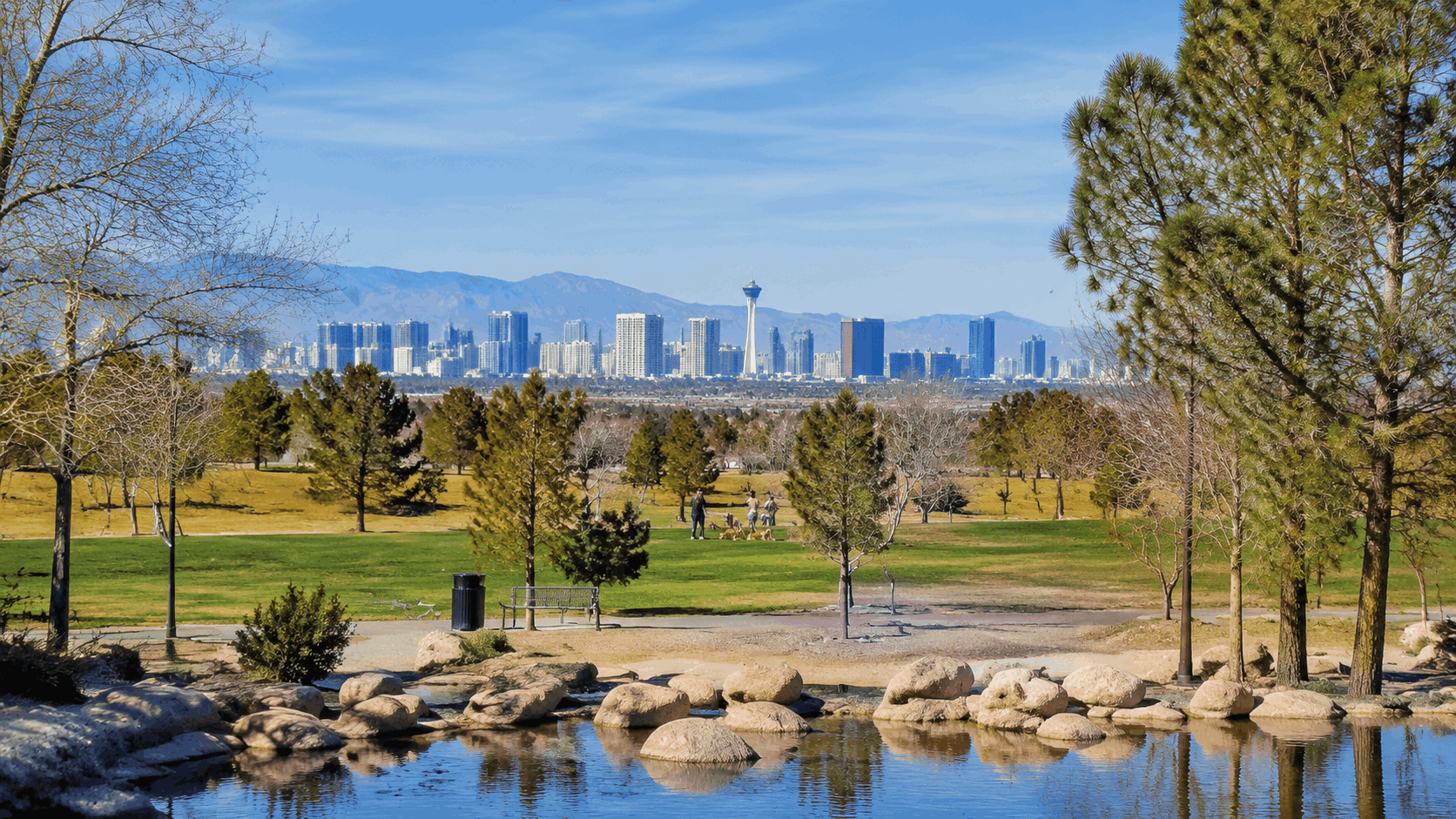
Quick Answer: Las Vegas's Outdoor Appeal Beyond the Strip
Thinking about moving to Las Vegas often conjures images of casinos and nightlife, but the reality for residents is far different. Southern Nevada boasts an impressive array of parks, trails, and outdoor recreation areas that are integral to the local lifestyle. From the dramatic landscapes of Red Rock Canyon National Conservation Area to meticulously planned community parks with splash pads and sports fields, Las Vegas offers ample opportunities to enjoy the desert's unique beauty and maintain an active lifestyle.
These outdoor spaces are more than just amenities; they're key factors in neighborhood desirability and quality of life. For families, access to safe, well-maintained parks is paramount. Retirees often seek walking trails and community centers, while young professionals might prioritize proximity to hiking or biking. Understanding the outdoor offerings is crucial for anyone considering a move or home purchase here, as it directly impacts daily living and community connection, often defining a neighborhood's character more than its proximity to the Strip.
Who This Is For
If you're looking for:
- Families with Young Children: You'll want to know about parks with extensive playgrounds, splash pads, and shaded picnic areas, often found in master-planned communities like Summerlin or Henderson.
- Retirees or Empty Nesters: Focus on accessible walking trails, senior-friendly community centers, and quiet, well-maintained green spaces, prevalent in areas like Sun City Summerlin or Anthem.
- Young Professionals & Active Lifestyles: Proximity to hiking, mountain biking trails, and outdoor fitness amenities will be key. Consider areas near Red Rock, such as The Lakes or parts of Summerlin West.
- Luxury Home Buyers: Look for homes with direct access to private parks, golf course communities, or properties offering expansive views of natural landscapes, common in MacDonald Highlands or The Ridges.
- First-Time Home Buyers or Budget-Conscious Movers: You'll need to balance affordability with access to public parks and recreation. Areas like Spring Valley or parts of North Las Vegas offer good value with solid park systems.
- Anyone Seeking Community & Connection: Many parks host farmers' markets, community events, and sports leagues, which are excellent ways to integrate into your new Las Vegas neighborhood.
Introduction: Why Las Vegas's Outdoor Spaces Matter for New Residents
When people picture Las Vegas, they usually imagine the dazzling lights and vibrant energy of the Strip. However, for the millions who call this city home, daily life is far removed from the tourist corridor. Living in Las Vegas means embracing a unique blend of urban convenience and stunning natural beauty. The parks and outdoor escapes here aren't just an afterthought; they're a fundamental part of the lifestyle, especially given our 300+ days of sunshine a year.
For anyone considering moving to or buying a home in Las Vegas, understanding the local park system and access to outdoor recreation is absolutely critical. It impacts everything from your morning jog to where your kids play, how you de-stress, and even your property value. A neighborhood's park access, trail systems, and green spaces often dictate its walkability, family-friendliness, and overall appeal. Ignoring this aspect means missing a huge piece of what makes a Las Vegas neighborhood truly livable. We're going to dive deep into what's available, helping you see beyond the neon and discover the real Las Vegas experience.
Deep Dive: Exploring Las Vegas's Premier Parks and Outdoor Destinations
Red Rock Canyon National Conservation Area: The Crown Jewel
Just a 20-minute drive west of the Strip, Red Rock Canyon is undeniably the region's most iconic outdoor escape. It's not just a park; it's a 195,819-acre national conservation area. The vibrant red sandstone cliffs and diverse desert flora and fauna are breathtaking. For residents, Red Rock offers an unparalleled playground for hiking, rock climbing, road cycling (along the 13-mile scenic drive), and even horseback riding. The trails range from easy, paved loops like the one at the Visitor Center to strenuous, multi-hour treks into the canyons. It's a year-round destination, though summer hiking is best done very early in the morning due to extreme heat.
Insider Tip: During peak seasons (fall, spring, and holidays), a timed entry reservation is required for the scenic drive, which you can book online through recreation.gov. Many locals purchase an annual pass for convenience. Living in neighborhoods like Summerlin West or The Lakes puts you literally minutes from this natural wonder, making it easy to incorporate into your daily or weekly routine. The tradeoff? Homes closer to Red Rock tend to be pricier, reflecting the desirability of the location and views.
Lake Mead National Recreation Area: Desert Oasis
To the east, Lake Mead offers a stark contrast to Red Rock's mountains. As the largest reservoir in the United States by volume (though currently at historic lows), it's a vast expanse of water recreation. Boating, fishing, kayaking, paddleboarding, and swimming are popular activities. There are numerous coves, beaches, and hiking trails that wind through the surrounding desert landscape. The Alan Bible Visitor Center provides educational exhibits and trail information. Areas like Boulder City, about 25 miles southeast of Las Vegas, offer direct access and a charming, historic small-town feel.
Local Context: While the receding water levels are a concern, Lake Mead still provides significant recreational opportunities. The dramatic "bathtub ring" on the canyon walls is a visual reminder of the drought but also reveals new coves and geological features. Living in Henderson's Lake Las Vegas or Boulder City means quick access to the lake, which is a major draw for watersports enthusiasts. Expect hotter temperatures here in the summer compared to the higher elevations of Red Rock.
Mount Charleston (Spring Mountains National Recreation Area): A Mountain Retreat
When the summer heat becomes oppressive, locals head for the hills – specifically, Mount Charleston, part of the Spring Mountains National Recreation Area, about an hour northwest of the city. At over 11,000 feet, it offers a dramatic climate shift, with pine forests, cooler temperatures, and even snow in winter. It’s perfect for summer hiking (the Mary Jane Falls trail is a local favorite), picnicking, and wildlife viewing (look for wild horses and burros). In winter, Lee Canyon (formerly Las Vegas Ski & Snowboard Resort) offers skiing and snowboarding, a unique experience in the desert.
Tradeoffs: It's a bit of a drive, especially if you live on the south or east side of the valley. While beautiful, amenities are limited to a few lodges and restaurants. However, the dramatic change in scenery and temperature makes it an indispensable escape for many residents. Homes in the far northwest, like Centennial Hills, have the quickest access.
Regional Parks: Urban Green Spaces and Community Hubs
Beyond the major natural areas, Las Vegas and its surrounding municipalities (Henderson, North Las Vegas) have invested heavily in creating exceptional regional parks. These are often large, multi-use facilities that serve as community hubs.
- Sunset Park (Paradise/Henderson border): One of the largest parks in the valley, Sunset Park boasts a 1.5-mile walking path around a lake, disc golf, dog parks, volleyball courts, a massive playground, and numerous picnic areas. It’s also home to the annual Clark County Fair & Rodeo. Its central location makes it accessible from many parts of the valley.
- Exploration Peak Park (Summerlin): Located in the heart of Mountain's Edge, this park features a replica of a historic Old West town, hiking trails up Exploration Peak for panoramic views, and a fantastic playground. It's a prime example of how master-planned communities integrate outdoor recreation.
- Floyd Lamb Park at Tule Springs (Northwest Las Vegas): A true oasis with four fishing ponds, peacocks roaming freely, historic ranch buildings, and lush green lawns. It's a beautiful, serene spot for picnicking, walking, and enjoying nature, a stark contrast to the surrounding desert.
- Cornerstone Park (Henderson): Located near Lake Las Vegas, this park offers beautiful views, a large lake for non-motorized boating, walking trails, and a unique playground with a climbing wall. It's a tranquil spot, perfect for a quiet afternoon.
Local Specifics: These parks are meticulously maintained by the county or city. Many have dedicated dog parks, lighted sports fields (soccer, baseball, softball), and community centers. They are essential for local sports leagues, family gatherings, and daily exercise. When choosing a neighborhood, proximity to one of these regional parks can significantly enhance your quality of life, especially for active families.
Neighborhood Parks: Your Local Green Space
Every master-planned community and most established neighborhoods in Las Vegas have a network of smaller, local parks. These are often within walking distance for residents and feature playgrounds, basketball courts, small open fields, and sometimes splash pads. In Summerlin alone, there are over 250 parks. Henderson is also renowned for its extensive park system, often earning it accolades as one of the best places to live.
Insider Knowledge: Don't underestimate the value of these smaller parks. They are where kids meet friends, where parents connect, and where daily walks happen. When looking at homes, check the local HOA fees, as these often cover the maintenance of neighborhood parks and common areas. Good park access can also boost property values and desirability.
Hidden Gems: What Locals Know That Google Maps Doesn't Show
While the big names are great, Las Vegas has some lesser-known outdoor spots that locals cherish.
- Wetlands Park (East Las Vegas/Henderson): This isn't your typical park. It's a vast urban wetlands preserve dedicated to environmental education and passive recreation. With miles of paved and unpaved trails winding through riparian habitats, it's a fantastic spot for birdwatching, nature photography, and peaceful walks. It's surprisingly lush and green, offering a unique ecosystem within the desert. It's a world away from the city's hustle, just a short drive from communities like Cadence or Tuscany.
- Historic Railroad Tunnels Trail (Boulder City): This easy, relatively flat trail follows an old railroad grade that once serviced Hoover Dam. You walk through five large, dark tunnels (bring a flashlight!) with stunning views of Lake Mead along the way. It's a unique historical and natural experience, much less crowded than Red Rock, especially on weekdays. Access is near the Hoover Dam Lodge.
- Calico Basin (Red Rock adjacent): Just outside the fee area of Red Rock Canyon, Calico Basin offers similar stunning red rock formations, but with free access. It's home to some fantastic bouldering, shorter hiking trails (like the Calico Tanks trail with its seasonal water pockets), and quieter picnic spots. It's a favorite for locals who want a taste of Red Rock without the crowds or entrance fee.
- Desert Breeze Park (Spring Valley): While a large regional park, its hidden gem is the indoor aquatic complex and skate park. Beyond the standard amenities, it offers year-round swimming options and a fantastic facility for skateboarders and BMX riders, often overlooked by those focusing solely on outdoor nature.
Common Mistakes Newcomers Make About Las Vegas Outdoor Life
Moving to a new city is tough, and Las Vegas has its unique quirks. Here's what people often get wrong about our outdoor scene:
- Underestimating the Heat: This is by far the biggest mistake. Summer temperatures routinely exceed 100°F (38°C) and can hit 115°F (46°C). Hiking, biking, or even prolonged park visits during midday in July and August are dangerous. Locals do outdoor activities early in the morning (before 8 AM) or after sunset in the summer. Always carry more water than you think you need, and wear sun protection.
- Ignoring Hydration: The desert air is incredibly dry. Even in cooler months, you dehydrate faster than you realize. You need to constantly drink water, even if you don't feel thirsty, especially when active.
- Forgetting About Wildlife: While rare, rattlesnakes, scorpions, and coyotes are part of the desert ecosystem. Stick to marked trails, watch where you step, and keep pets on a leash. Don't approach wildlife.
- Thinking All Parks Are the Same: While many parks have similar amenities, their size, maintenance, and community feel can vary greatly. Don't assume a park in North Las Vegas offers the same experience as one in Summerlin or Henderson. Research specific parks in areas you're considering.
- Not Using the Parks in Winter: Some newcomers avoid parks in winter, thinking it's too cold. Our winters are mild and glorious, with average daytime temperatures in the 50s and 60s Fahrenheit. It's the absolute best time for hiking, biking, and enjoying all the outdoor activities without the heat.
- Relying Solely on the Strip for Entertainment: While not strictly an outdoor mistake, many newcomers initially limit their social and recreational life to the tourist areas. The real community, and much of the genuine Las Vegas lifestyle, happens in the neighborhoods and their parks. Get out and explore beyond Las Vegas Boulevard!
Frequently Asked Questions About Las Vegas Parks & Outdoor Life
Q: Is it safe to hike in Las Vegas?
A: Yes, it is generally very safe to hike in designated areas like Red Rock Canyon, Mount Charleston, and local park trails, provided you take appropriate precautions. The main dangers are environmental: heatstroke, dehydration, and getting lost. Always tell someone your plans, carry plenty of water, wear proper footwear, and stick to marked trails. Wildlife encounters are rare but possible; be aware of your surroundings.
Q: Are Las Vegas parks dog-friendly?
A: Most Las Vegas parks are very dog-friendly, requiring dogs to be on a leash. Many regional and neighborhood parks have dedicated, fenced dog parks (Bark Parks) with separate areas for large and small dogs. Red Rock Canyon also allows leashed dogs on most trails. Always clean up after your pet, and be mindful of hot pavement in summer that can burn paws.
Q: Do I need to pay to access these parks?
A: Most neighborhood and regional parks within Las Vegas, Henderson, and North Las Vegas are free to access. However, major conservation areas like Red Rock Canyon National Conservation Area (for the scenic drive) and Lake Mead National Recreation Area have entrance fees or require a pass. An annual National Parks Pass or local Red Rock annual pass can be a good investment if you plan to visit frequently.
Q: What's the best time of year to enjoy outdoor activities in Las Vegas?
A: The absolute best times are fall (October-November) and spring (March-April). Temperatures are mild and pleasant, perfect for hiking, biking, and enjoying parks. Winter (December-February) is also excellent, with cool, crisp air, though Mount Charleston will have snow. Summer (May-September) requires extreme caution; outdoor activities are best limited to early mornings or evenings, and water activities at Lake Mead become more popular.
Q: Are there good biking trails in Las Vegas?
A: Absolutely! Las Vegas has an extensive network of biking trails. The River Mountains Loop Trail offers over 30 miles of paved path around Lake Mead, Hoover Dam, and Boulder City. Red Rock Canyon's scenic drive is popular with road cyclists, and its surrounding areas have mountain biking trails. Many master-planned communities also feature miles of paved walking/biking paths that connect to larger trail systems. The city is continually expanding its bike lane infrastructure as well.
Q: How do parks impact property values in Las Vegas?
A: Proximity to well-maintained parks, green spaces, and trail systems significantly enhances property values and desirability in Las Vegas. Homes within walking distance of a major park or with access to community trails often command higher prices. Families, in particular, prioritize park access, making those neighborhoods more attractive. This is especially true in master-planned communities like Summerlin and Henderson, where green space is a core amenity.
Conclusion: Your Outdoor Life Awaits in Las Vegas
Stepping beyond the glitz of the Strip reveals a Las Vegas rich with natural beauty and an active outdoor lifestyle. From the dramatic cliffs of Red Rock Canyon to the tranquil waters of Lake Mead, and from expansive regional parks to the quiet charm of neighborhood green spaces, there's an outdoor escape for every preference and activity level. For those considering a move or a home purchase here, understanding these invaluable resources is key to finding your perfect spot.
The quality of life in Las Vegas is profoundly shaped by these outdoor amenities. They offer a counterbalance to urban living, providing opportunities for recreation, relaxation, and community connection. By exploring these options, you're not just finding a park; you're discovering the true heartbeat of our city and where you'll build your new life.
Ready to find a home that perfectly aligns with your desired outdoor lifestyle in Las Vegas? Whether you dream of mountain views, lake access, or a quiet park just steps from your door, we can help you navigate the neighborhoods and find the perfect fit. Contact Kyle Fujimoto today to connect with someone that understands the nuances of Las Vegas living, both inside and out.
Categories
Recent Posts

GET MORE INFORMATION

REALTOR® Lic# S.0184988