
Navigating Healthcare in Las Vegas: A Local's Guide to Hospitals, Clinics, and Specialists
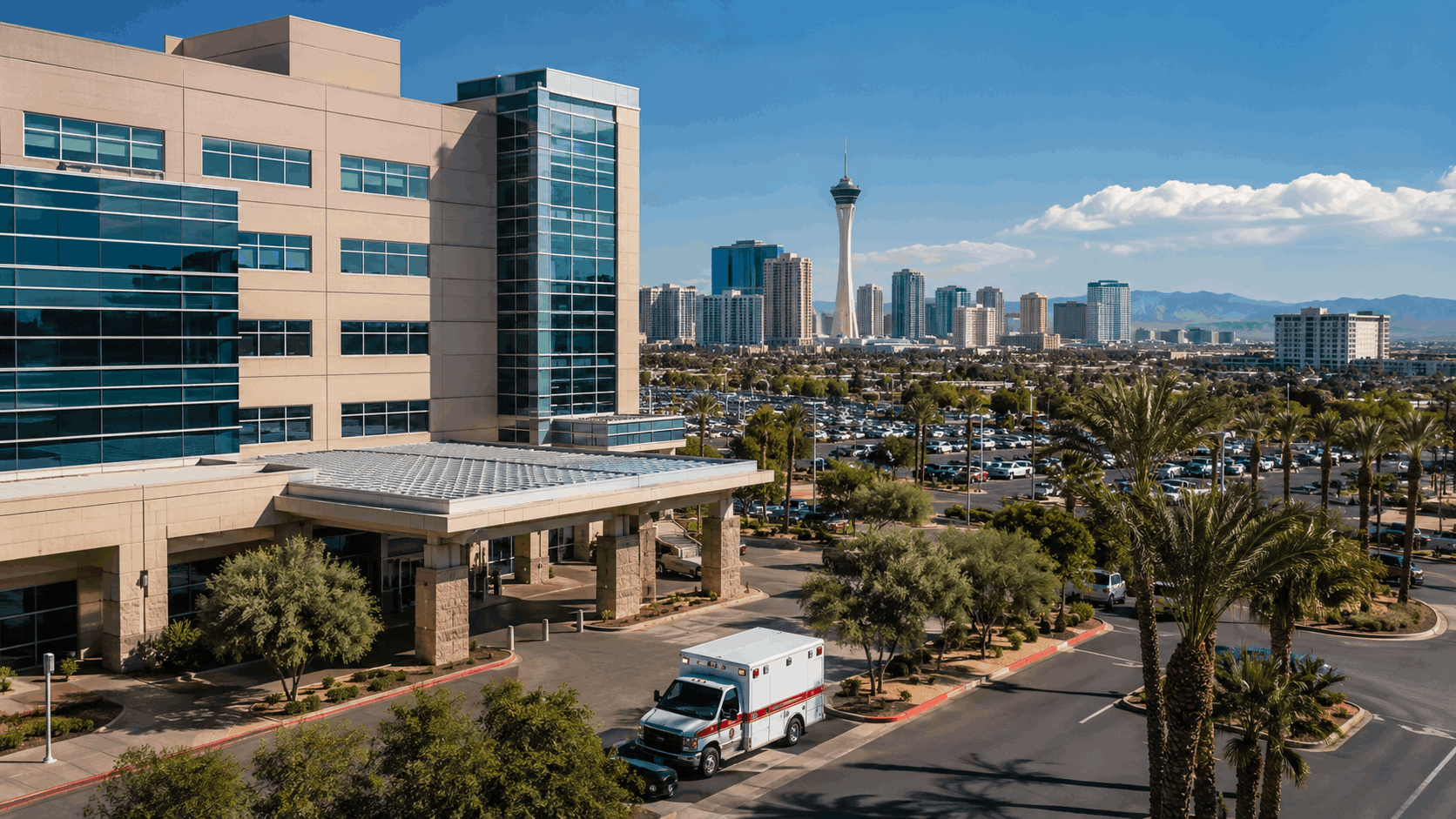
Moving to a new city means re-establishing every aspect of your life, and healthcare often tops the list of concerns. In Las Vegas, the healthcare landscape is robust and growing, with a mix of large hospital systems, specialized clinics, and urgent care centers spread across the valley. Whether you're seeking primary care, emergency services, or specialized treatments, you'll find options, though understanding the local network and insurance coverages is key to a smooth transition. Our aim here is to cut through the noise and give you a clear, honest picture of what to expect.
The quality and accessibility of healthcare can vary depending on your specific needs and where you choose to live. Areas like Summerlin and Henderson, for instance, are often cited for their concentration of medical facilities and specialist offices, reflecting the demographics and development patterns of those communities. We'll break down the major players, highlight some lesser-known but excellent resources, and help you understand how to connect with the right providers for you and your family, ensuring peace of mind as you settle into your new Las Vegas home.
Who This Is For
If you're looking for honest, unvarnished information about the medical options available in Southern Nevada, this guide is for you:
- Families: Concerned about pediatric care, family doctors, and emergency services for your children? We'll cover where to find reliable, high-quality family health resources.
- Retirees: Looking for accessible specialists, geriatric care, and hospitals with strong reputations for senior health? We’ll point you to areas and facilities known for excellent care for older adults.
- Young Professionals: Need convenient urgent care, primary physicians, and perhaps specialized services without breaking the bank? Discover efficient and modern healthcare solutions for your busy lifestyle.
- Luxury Home Buyers: Expecting top-tier facilities, concierge services, and proximity to elite medical centers? We’ll highlight the areas and networks that cater to a premium healthcare experience.
- First-Time Buyers: Trying to understand the basics of healthcare access, insurance networks, and how to find a good doctor in an unfamiliar city? We’ll demystify the process and help you get started.
Introduction: Why Healthcare Matters When Moving to Las Vegas
Relocating is a big deal, and one of the most fundamental questions people ask is, "What's the healthcare like?" It's not just about emergencies; it's about finding a primary care physician you trust, accessing specialists when needed, and understanding the local hospital systems. For a city like Las Vegas, which has seen explosive growth over the past few decades, the healthcare infrastructure has had to catch up. And it has, largely. However, knowing where the strengths lie, what areas are well-served, and where you might encounter challenges is crucial for anyone considering a move here. This isn't just about statistics; it's about your well-being and peace of mind in your new home.
Deep Dive: Understanding Las Vegas Healthcare
The Major Hospital Systems
Las Vegas is primarily served by a few large hospital networks. Understanding these systems is your first step to navigating local healthcare.
- Sunrise Health System (HCA Healthcare): This is the largest system in Southern Nevada, encompassing Sunrise Hospital & Medical Center (a Level II Trauma Center and the largest acute care hospital in the state), MountainView Hospital, Southern Hills Hospital & Medical Center, and Sunrise Children's Hospital. Sunrise Hospital, located near Desert Inn and Maryland Parkway, is a major hub for critical care and specialized services. MountainView (northwest, near Cheyenne and US-95) and Southern Hills (southwest, near Fort Apache and Sunset) serve their respective growing communities with comprehensive services.
- Valley Health System (Universal Health Services): This network includes Valley Hospital Medical Center (near Sahara and Valley View), Summerlin Hospital Medical Center (in the heart of Summerlin), Spring Valley Hospital Medical Center (southwest, near Rainbow and Hacienda), and Centennial Hills Hospital Medical Center (northwest, near the 215 and US-95). Summerlin Hospital is particularly well-regarded in the affluent Summerlin community, offering a wide range of services including a dedicated children's emergency department.
- Dignity Health-St. Rose Dominican Hospitals: Known for their community-focused approach, Dignity Health operates three campuses primarily serving Henderson and the southeast valley: Siena Campus (near St. Rose Parkway and Eastern), San Martin Campus (southwest, near 215 and Durango), and Rose de Lima Campus (the original hospital, near Lake Mead Parkway and Boulder Highway). Siena is their largest and newest facility, offering advanced cardiac care and a robust emergency department.
- University Medical Center (UMC): As the state's only Level I Trauma Center, UMC, located just west of downtown, is a critical resource for the entire region. It houses the Lions Burn Care Center, a transplant center, and is affiliated with the Kirk Kerkorian School of Medicine at UNLV. While it's a teaching hospital and handles the most severe cases, it also provides general medical services.
Specialized Care and Clinics
Beyond the major hospitals, Las Vegas offers a growing number of specialized clinics and outpatient centers. This is where much of your routine and specialized care will likely happen.
- Primary Care: Finding a good primary care physician (PCP) is crucial. Many large medical groups, like Southwest Medical Associates (OptumCare), Intermountain Health (formerly HealthCare Partners), and smaller independent practices, have offices scattered throughout the valley. Southwest Medical, for example, has dozens of locations from Henderson to North Las Vegas, making access relatively easy depending on your insurance. It's often recommended to start looking for a PCP even before you move, especially if you have chronic conditions.
- Urgent Care Centers: For non-life-threatening issues that can't wait for a PCP appointment, urgent care centers are plentiful. Facilities like Concentra, CareNow (affiliated with HCA), and various independent urgent care clinics are found in almost every major commercial corridor. They're a good option for things like minor injuries, colds, flu, and infections. Just remember they are not a substitute for an emergency room for serious conditions.
- Specialists: Las Vegas has a full spectrum of specialists – cardiologists, oncologists, neurologists, orthopedists, etc. Areas like Summerlin and Henderson, particularly around the major hospitals, have developed significant medical office complexes. For example, the area surrounding Summerlin Hospital on Town Center Drive is a hub for various specialist practices. The growing UNLV Medical District, centered around UMC, is also expanding its specialist offerings.
- Children's Hospitals & Pediatric Care: While Sunrise Children's Hospital is the dedicated facility, Summerlin Hospital also has a strong pediatric emergency department. For routine pediatric care, many large medical groups have dedicated pediatricians, and independent practices are also common in family-friendly neighborhoods.
Mental Health Services
Mental health is a critical component of overall well-being. Las Vegas has seen an increase in mental health resources, though access can still be a challenge, particularly for certain specialties or those without robust insurance. Facilities like Montevista Hospital and Desert Parkway Behavioral Healthcare Hospital offer inpatient and outpatient programs. Numerous private practices, therapists, and counseling centers are available, but it's often a good idea to check online directories and your insurance network for providers who are accepting new patients.
Costs and Insurance
Like anywhere in the U.S., healthcare costs in Las Vegas can be high without insurance. Most employers offer health plans, and the Nevada Health Link is the state's health insurance marketplace. It's vital to confirm that your existing insurance plan (if you're relocating) has a strong network in Southern Nevada or to research new plans that do. Out-of-pocket costs, deductibles, and co-pays are standard. Don't assume your current doctors or networks will transfer seamlessly; always verify coverage before making appointments.
Hidden Gems: What Locals Know That Google Maps Doesn't Show
- The UNLV Health Clinics: Beyond UMC, UNLV operates several specialized outpatient clinics across the valley, often providing excellent care at potentially more accessible price points. These include dental, optometry, and various medical specialties, sometimes offering a more personalized experience than larger hospital-affiliated groups. Check their website for locations like the Advanced Education in General Dentistry Clinic or the UNLV Medicine clinics.
- Neighborhood Health Centers: For those without insurance or with limited income, several federally qualified health centers (FQHCs) like Silver Summit Health Plan and Hope Christian Health Center offer primary care, dental, and behavioral health services on a sliding scale. These are vital community resources often overlooked by newcomers.
- Concierge Medicine: For a more personalized, direct-access approach, several concierge medicine practices have emerged, particularly in affluent areas like Summerlin and Henderson. For an annual fee, you get extended appointment times, direct access to your doctor, and often same-day appointments. While not for everyone, it’s a growing option for those prioritizing convenience and a deeper patient-doctor relationship.
- Specialized Orthopedic & Sports Medicine Groups: Beyond the main hospitals, groups like Orthopedic & Sports Medicine Center of Las Vegas (OSMCLV) or Nevada Orthopedic & Spine Center are highly regarded for their focused expertise. If you're active or an athlete, knowing these dedicated centers can save you time and provide top-tier care for injuries.
Common Mistakes Newcomers Get Wrong About Las Vegas Healthcare
- Assuming All Hospitals are Equal: While all major hospitals meet certain standards, they each have specialties and reputations. UMC is for trauma, Sunrise for critical care volume, Summerlin for family-friendly services, and Dignity Health for community-focused care. Doing your homework on which hospital excels in the services you might need is wise.
- Not Verifying Insurance Networks: This is a big one. Many people move here and assume their national insurance plan will cover everything. Las Vegas has specific networks. Always call your insurance provider or use their online tools to confirm which doctors, clinics, and hospitals are in-network BEFORE you need care. Out-of-network costs can be astronomical.
- Waiting Until You're Sick to Find a Doctor: Don't wait for an emergency. Establish a primary care physician as soon as possible after moving. Good PCPs often have waiting lists for new patients, and having one in place makes navigating referrals to specialists much smoother.
- Underestimating the Impact of Location: Driving across the valley for a doctor's appointment can be a significant time commitment, especially with traffic. If you live in Henderson, finding a PCP in North Las Vegas might not be practical long-term. Consider proximity to healthcare facilities when choosing a neighborhood.
- Ignoring the Desert Climate's Health Effects: Las Vegas's dry heat can exacerbate certain conditions like allergies (yes, we have them!), asthma, and skin issues. Factor this into your healthcare needs and discussions with your new doctors. Hydration is key, and understanding local allergens (like desert pollen) can save you a lot of discomfort.
Frequently Asked Questions About Las Vegas Healthcare
Q: Is healthcare in Las Vegas good?
A: Overall, healthcare in Las Vegas is good and continually improving. We have major hospital systems, specialized clinics, and a growing number of physicians. While it may not always rank at the very top nationally for every single metric, the quality of care for most needs is solid. The biggest challenge often lies in navigating the systems and ensuring your insurance covers your chosen providers.
Q: What's the best hospital in Las Vegas?
A: "Best" depends on your specific needs. UMC is the only Level I Trauma Center. Sunrise Hospital has the largest volume of critical care patients and specialized services. Summerlin Hospital is highly regarded in the affluent Summerlin area, especially for families. Dignity Health-St. Rose Dominican Siena Campus is excellent for south valley residents, known for its modern facilities. It's less about a single "best" and more about which hospital is best for a particular type of care or location.
Q: How do I find a primary care doctor in Las Vegas?
A: Start by checking your insurance provider's website for in-network doctors. Online directories like Zocdoc, Healthgrades, and Vitals can also help, though always cross-reference with your insurance. Ask new neighbors or colleagues for recommendations. Large groups like Southwest Medical Associates and Intermountain Health are good starting points due to their numerous locations and integrated networks.
Q: Are there enough specialists in Las Vegas?
A: Yes, Las Vegas generally has a good supply of specialists across most fields. You'll find concentrations of specialist offices around the major hospitals in areas like Summerlin, Henderson, and the UNLV Medical District. Wait times for highly sought-after specialists can occur, but this is common in most major metropolitan areas.
Q: What about emergency care?
A: All major hospitals have emergency rooms equipped for serious conditions. For non-life-threatening issues, urgent care centers are widely available and a more cost-effective and time-efficient option than an ER. Remember, if it's a true emergency (chest pain, severe injury, stroke symptoms), call 911 or go to the nearest ER.
Q: How does the desert climate affect health in Las Vegas?
A: The dry, hot desert climate primarily impacts hydration, skin health, and allergies. Dehydration is a constant concern, especially for newcomers. The sun is intense, so skin protection is vital. Believe it or not, desert plants cause allergies for many, often year-round. If you have respiratory conditions, consult your doctor about managing them in this environment.
Conclusion: Making an Informed Decision About Your Health in Las Vegas
Navigating healthcare in a new city can feel overwhelming, but Las Vegas offers a comprehensive and continually evolving medical landscape. By understanding the major hospital systems, seeking out primary care proactively, and being mindful of your insurance network, you can establish quality healthcare for yourself and your family. The city's growth has brought with it an expansion of medical facilities and specialists, particularly in the master-planned communities like Summerlin and Henderson, which often boast excellent access to care. Don't let healthcare concerns deter you from considering Las Vegas; with a little research and planning, you'll find the resources you need.
Ready to make the move or explore real estate opportunities in a neighborhood that aligns with your healthcare priorities? As a local expert, I can help you find the perfect community. Don't hesitate to reach out to Kyle Fujimoto, your Las Vegas REALTOR with Platinum Real Estate, for personalized guidance.
Categories
Recent Posts










GET MORE INFORMATION
REALTOR® Lic# S.0184988