
Sunshine All Year? Understanding Las Vegas's Climate and Seasonal Rhythms
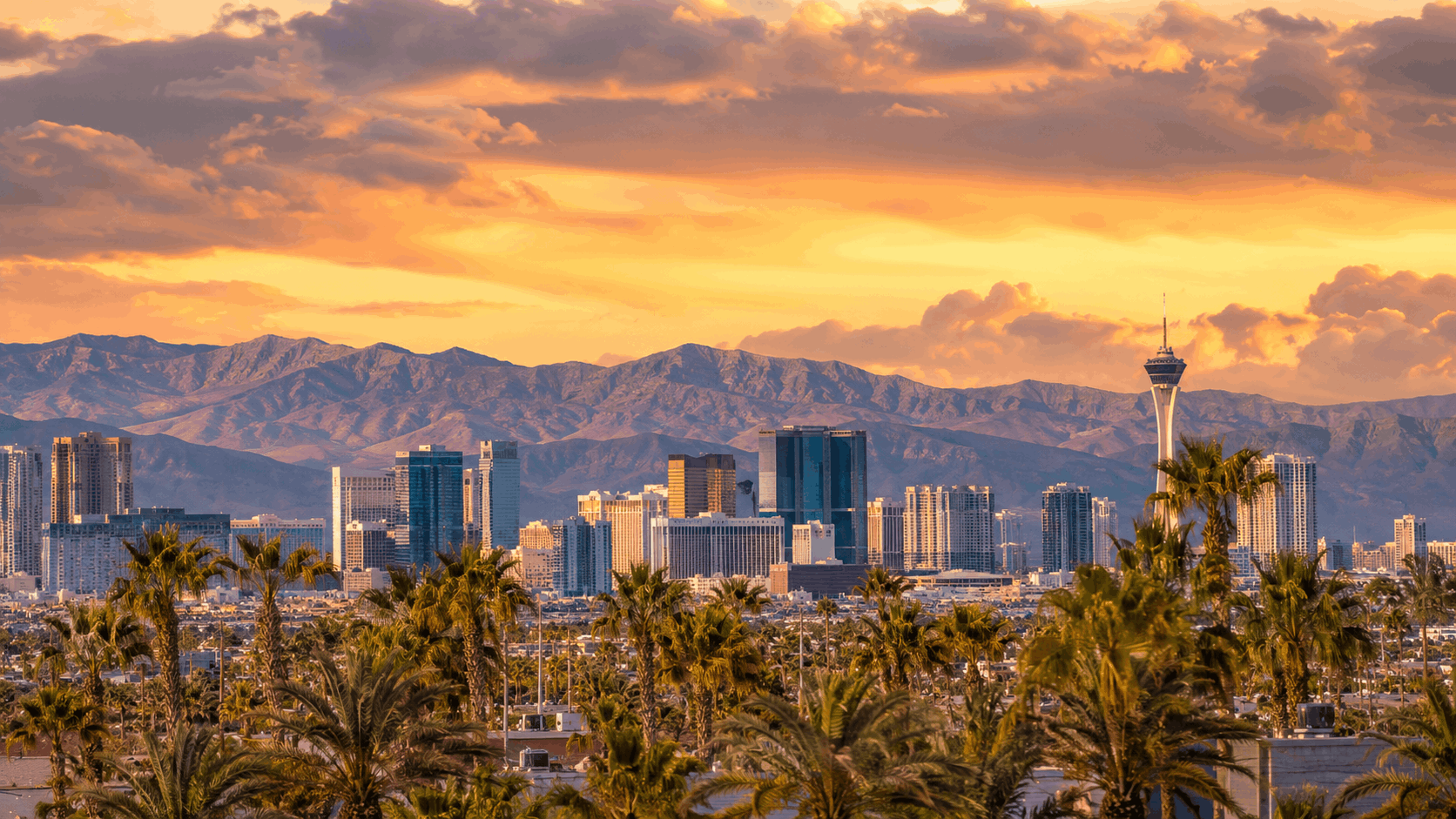
Las Vegas, often synonymous with dazzling lights and desert landscapes, offers a climate that's far more nuanced than just "hot." While sunshine is abundant, the city experiences distinct seasonal changes that significantly impact daily life, outdoor activities, and even utility bills. Expect extremely hot, dry summers from June to September with daily highs often exceeding 100°F (38°C). Winters, from December to February, are surprisingly mild and sunny, with average highs in the 50s and 60s°F (10-18°C) and chilly nights. Spring and fall are the sweet spots, offering comfortable temperatures perfect for enjoying the outdoors.
Understanding these seasonal shifts is crucial for anyone considering a move or real estate investment here. It affects everything from landscaping choices and home cooling costs to your wardrobe and how you plan your weekends. While the city boasts over 300 sunny days a year, those sunny days come with a wide range of temperatures and conditions that newcomers often underestimate, especially the intensity of summer heat and the surprising chill of winter evenings.
Who This Is For
If you're looking for...
- A family-friendly environment: You'll want to know how the climate impacts school schedules, outdoor play, and community events. Summer heat can limit daytime park visits, but cool springs and falls open up opportunities for exploring places like Exploration Peak Park in Mountain's Edge or Wetlands Park.
- A comfortable retirement: Understanding the mild winters and how to manage the summer heat is key. Many retirees appreciate the lack of snow and ice, but prepare for higher AC costs during peak summer months, especially in single-story homes in areas like Sun City Summerlin or Anthem.
- A vibrant professional life: The climate influences your commute, networking events, and after-work activities. Outdoor patios are popular in spring and fall, but summer means indoor events or early morning/late evening gatherings.
- Luxury living: Climate considerations affect home design (e.g., shaded patios, outdoor kitchens, pool orientation) and landscaping. Property values in areas like The Ridges or MacDonald Highlands often reflect designs that mitigate heat and maximize outdoor enjoyment during pleasant seasons.
- Your first home: Budgeting for utilities, particularly electricity for air conditioning, is critical. Newer, energy-efficient homes in master-planned communities like Inspirada or Skye Canyon will have different cost implications than older homes in established neighborhoods like Paradise or Winchester.
Introduction: Why Las Vegas's Climate Matters for Your Move
When people picture Las Vegas, they often think of a constant, scorching sun. And while the sun is indeed a dominant feature, the reality of living here year-round is much more nuanced. The climate isn't just about the weather; it's about a lifestyle. It dictates when you can comfortably hike at Red Rock Canyon, when the kids can play outside for hours, when you'll pay your highest utility bills, and even how you design your outdoor living spaces. For someone considering moving to or buying property in Las Vegas, truly understanding the seasonal rhythms isn't just helpful—it's essential for a smooth transition and long-term satisfaction. It impacts everything from your wardrobe to your water bill, and from your weekend plans to your property's value and maintenance needs.
A Deep Dive into Las Vegas's Seasons
Summer: The Dry Heat You've Heard About (June - September)
Let's not sugarcoat it: Las Vegas summers are intensely hot. From early June through September, daily high temperatures routinely soar above 100°F (38°C), with many days hitting 110°F (43°C) or higher. The record high is 118°F (48°C). The good news? It's a "dry heat." This isn't the humid, sticky heat of the Southeast; sweat evaporates quickly, making 100°F here feel somewhat more tolerable than 90°F in Florida. However, "tolerable" is relative. Outdoor activities during midday are generally not recommended, and even dangerous if not properly hydrated and prepared.
- Daily Life: Locals adapt. Errands are often run in the early morning or late evening. Pools become essential backyard features and community hubs. Many outdoor events and concerts shift to evening hours. Expect your air conditioning to run almost constantly, leading to significantly higher electricity bills. Homes with good insulation, dual-pane windows, and shaded patios are highly prized.
- Real Estate Impact: Homes with pools or community pool access are more attractive. Energy efficiency is a major selling point. Landscaping often features drought-tolerant plants (xeriscaping) to reduce water usage, which also tends to be higher in summer due to evaporation from pools and any remaining grass.
- Insider Tip: Always carry water, even for short walks. Your car's interior can reach dangerous temperatures quickly; never leave children or pets unattended. Many locals escape to higher elevations like Mount Charleston for a significant temperature drop (often 20-30 degrees cooler).
Fall: The Golden Season (October - November)
After the long summer, fall arrives as a welcome relief and is arguably the most pleasant season in Las Vegas. October brings average highs in the mid-80s°F (29°C), cooling to the low 70s°F (22°C) by November. The air is crisp, the skies are clear, and humidity is low. It's truly beautiful.
- Daily Life: This is prime time for outdoor activities. Hiking at Red Rock Canyon, golfing at courses like TPC Summerlin, exploring downtown's Arts District on foot, or enjoying a patio dinner are all perfect. Local festivals and outdoor events pick up significantly.
- Real Estate Impact: Curb appeal is at its peak. Homes with well-maintained outdoor spaces, fire pits, and comfortable patios shine. It's often a very active time in the real estate market as people are out and about.
- Insider Tip: This is when you'll see locals filling up parks like Sunset Park or taking advantage of the many walking trails in master-planned communities like Cadence in Henderson. Book outdoor dining reservations in advance!
Winter: Surprisingly Mild and Sunny (December - February)
Forget the snow and freezing rain of many other parts of the country. Las Vegas winters are mild, sunny, and dry. Daytime highs typically range from the mid-50s to low 60s°F (10-18°C). Nights, however, can get chilly, often dropping into the 30s°F (around 0°C), with occasional overnight freezes. Snow is rare in the valley but common on Mount Charleston, making it a popular day trip for skiing or sledding.
- Daily Life: This is a fantastic time for outdoor recreation without the heat. Golfing is still popular, as are long walks. You'll need a jacket or light coat during the day and warmer layers for evenings. Heating bills will be highest during these months, though generally less than summer AC costs.
- Real Estate Impact: Homes with efficient heating systems are a plus. Properties with desert landscaping require less winter maintenance. Buyers from colder climates often find the winter weather incredibly appealing.
- Insider Tip: Don't be fooled by the daytime sun; temperatures drop quickly after sunset. If you plan a desert hike, start early and layer up. You can often see snow-capped mountains from your backyard, a unique desert-mountain juxtaposition.
Spring: The Desert Blooms (March - May)
Spring in Las Vegas is another delightful season, transitioning from cool to warm before the summer heat settles in. March sees highs in the low 70s°F (22°C), climbing to the low 90s°F (32°C) by May. The desert comes alive with wildflowers, especially after a wetter winter, painting the landscape with vibrant colors.
- Daily Life: Similar to fall, spring is ideal for all outdoor activities. Farmers markets, outdoor concerts at places like the Downtown Summerlin Lawn, and community events are in full swing. This is when many locals spruce up their yards and enjoy their patios before the heat becomes too intense.
- Real Estate Impact: Often a very strong real estate market as the weather is perfect for home showings and open houses. Pools start to become a focus again.
- Insider Tip: Keep an eye out for stunning desert wildflower displays, particularly along scenic drives like the loop at Red Rock Canyon or in areas like the Springs Preserve. Allergy sufferers might notice increased pollen during this time, primarily from desert trees and grasses.
Hidden Gems: Local Climate Knowledge You Won't Find on Google Maps
Beyond the average temperatures, there are microclimates and subtle shifts that locals understand:
- Elevation Matters: Neighborhoods at higher elevations, like parts of Summerlin (e.g., The Mesa, The Cliffs) or Anthem in Henderson, can be 3-5 degrees cooler than the central valley or downtown areas. This difference is noticeable in summer. Conversely, areas closer to the valley floor, such as North Las Vegas or older parts of Henderson, can feel a few degrees hotter.
- The "Monsoon" Season: While not a true monsoon, late summer (July-August) can bring sudden, intense thunderstorms. These are typically short-lived but can cause flash flooding in washes and low-lying areas. Don't underestimate the power of desert rain; "Turn Around, Don't Drown" is a serious local mantra. You'll see dramatic lightning shows over the mountains.
- Dust Storms (Haboo): Strong winds, often preceding or accompanying thunderstorms, can kick up massive dust storms, reducing visibility to near zero. These are more common in summer and fall. If you see one approaching, pull over safely.
- Wind: Las Vegas can be windy, especially in spring. Days with sustained winds of 20-30 mph are not uncommon, which can impact outdoor dining, driving, and even your home's exterior (think patio furniture). Areas further west, closer to the mountains, can experience stronger gusts.
- Pool Orientation: For homeowners, the direction your pool faces makes a huge difference. A west-facing pool gets sun all afternoon, keeping it warmer, but also means more direct sun exposure. An east-facing pool gets morning sun, but provides more afternoon shade. Locals often factor this into their home search.
Common Mistakes Newcomers Make Regarding Las Vegas's Climate
- Underestimating the Summer Heat: Many visitors experience Vegas in spring or fall and think they understand the heat. Living here means months of 100°F+ days. You can't just "power through" it; you must adapt your lifestyle.
- Not Hydrating Enough: The dry air makes you dehydrate faster than you realize. You need to drink significantly more water than you think, even if you don't feel thirsty.
- Ignoring Sun Protection: The desert sun is intense. Sunscreen, hats, and sunglasses are year-round necessities, not just for summer. Skin damage and sunburn happen quickly.
- Over-planting Grass: Lush green lawns are water hogs in the desert. Newcomers often try to replicate landscapes from wetter climates, leading to huge water bills and environmental strain. Embrace xeriscaping or artificial turf.
- Forgetting Winter Can Be Chilly: While mild, evenings and early mornings in winter are cold. People often pack only light clothing, then find themselves shivering. A good jacket and some sweaters are essential for December-February.
- Not Understanding Utility Costs: The extreme temperatures mean higher utility bills for cooling in summer and heating in winter. Budgeting for these is crucial, especially for older homes that may be less insulated.
Frequently Asked Questions About Las Vegas Climate
Q1: How many sunny days does Las Vegas really get?
Las Vegas truly lives up to its "Sunshine State" reputation, boasting over 300 sunny days per year. This means abundant natural light and consistently clear skies, which is a major draw for many residents. While we do have occasional cloudy days and some rainfall, prolonged periods of gray weather are very rare, especially compared to many other major U.S. cities.
Q2: Is the "dry heat" really that different from humid heat?
Yes, absolutely. The dry heat of Las Vegas means that sweat evaporates quickly from your skin, which is the body's natural cooling mechanism. This makes temperatures in the 100s°F feel somewhat more manageable than, say, 90°F with high humidity in the Midwest or Southeast, where sweat just sits on your skin. However, "manageable" doesn't mean comfortable; it's still extremely hot, and dehydration is a significant risk because you don't always feel as sweaty as you would in a humid climate.
Q3: Does it ever rain or snow in Las Vegas?
Rainfall is sparse, averaging around 4-5 inches per year, mostly occurring in winter and during the late-summer monsoon season. When it does rain, it can sometimes be intense and localized, leading to flash floods in washes. Snow is extremely rare in the Las Vegas valley itself, perhaps a dusting every few years that usually melts quickly. However, Mount Charleston, just an hour's drive away, receives significant snowfall each winter and is a popular spot for skiing and sledding.
Q4: What are the best months to visit or move to Las Vegas for weather?
For comfortable weather, the absolute best months are October, November, March, and April. During these periods, daytime temperatures are pleasantly warm (70s-80s°F), nights are cool, and humidity is low. May can also be lovely, though it starts to heat up by the end of the month. These "shoulder seasons" are ideal for enjoying all the outdoor activities Las Vegas and its surrounding natural areas have to offer.
Q5: How does the climate impact utility bills for homeowners?
The extreme temperatures in both summer and winter significantly impact utility bills. Air conditioning is a necessity from June through September, and running it constantly can lead to very high electricity costs, often $300-$500+ per month for a typical single-family home. Heating costs in winter are generally lower but still present, especially with chilly nights. Water bills can also be higher in summer due to increased evaporation from pools and any irrigation for landscaping. Newer, energy-efficient homes often have lower utility costs.
Q6: Are there any climate-related health concerns specific to Las Vegas?
The primary health concerns are heat-related illnesses (heat exhaustion, heat stroke) during summer, dehydration, and sun exposure (sunburn, increased risk of skin cancer). The dry air can also exacerbate respiratory issues for some, and allergy sufferers might find certain desert plants problematic during spring. Always consult with a healthcare professional regarding specific concerns, but general precautions include staying hydrated, seeking shade, and wearing sunscreen.
Q7: What about dust and air quality?
Due to its desert environment, Las Vegas can experience dust and particulate matter in the air, especially during windy conditions or dust storms (haboobs). Air quality is generally good on most days, but it can occasionally be affected by these events or, less frequently, by wildfire smoke from distant regions. For those with severe respiratory conditions, monitoring air quality reports during certain times of the year might be advisable.
Q8: How does the climate affect outdoor activities and lifestyle?
The climate heavily dictates the rhythm of outdoor life. Summers mean shifting activities to early mornings, evenings, or indoors. Pools, splash pads, and air-conditioned venues become central. Fall and spring are ideal for hiking, biking, golfing, and patio dining. Winters are perfect for sunny walks, exploring parks, and day trips to Mount Charleston for snow activities. Locals learn to embrace the seasons and plan accordingly, making the most of each.
Conclusion: Embracing the Las Vegas Climate
Las Vegas's climate is a defining characteristic of life here. It's a city of abundant sunshine, distinct seasons, and a rhythm that residents quickly learn to appreciate and adapt to. While the summer heat is undeniably intense, the mild, sunny winters and glorious spring and fall seasons offer a quality of life that many find incredibly appealing. Understanding these nuances isn't just about packing the right clothes; it's about making informed decisions about your home, your lifestyle, and your overall well-being in this unique desert oasis.
Whether you're drawn by the endless sunshine, the mild winters, or simply the vibrant energy of the city, knowing what to expect from the weather will help you thrive. If you're considering making Las Vegas your home and want to discuss how the climate might influence your property choices, neighborhood preferences, or even your daily commute, I'm here to help. As a local real estate expert, I can provide insights into homes with energy-efficient features, ideal pool orientations, or locations that best suit your seasonal preferences. Don't hesitate to reach out to Kyle Fujimoto at Platinum Real Estate for a personalized consultation. Let's make your move to Las Vegas a sunny success!
Categories
Recent Posts

GET MORE INFORMATION

REALTOR® Lic# S.0184988